Developing a Visual Strategy for Your Brand


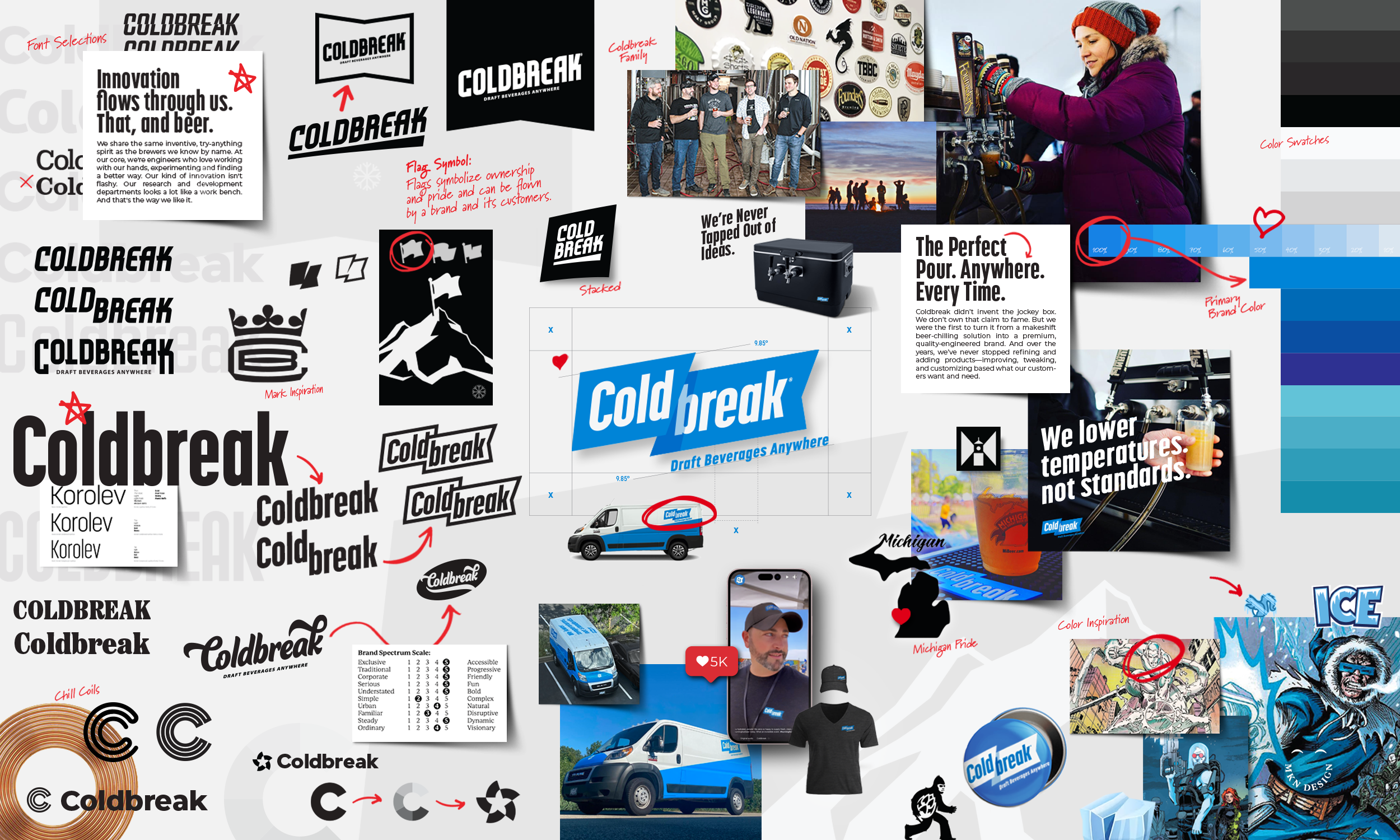
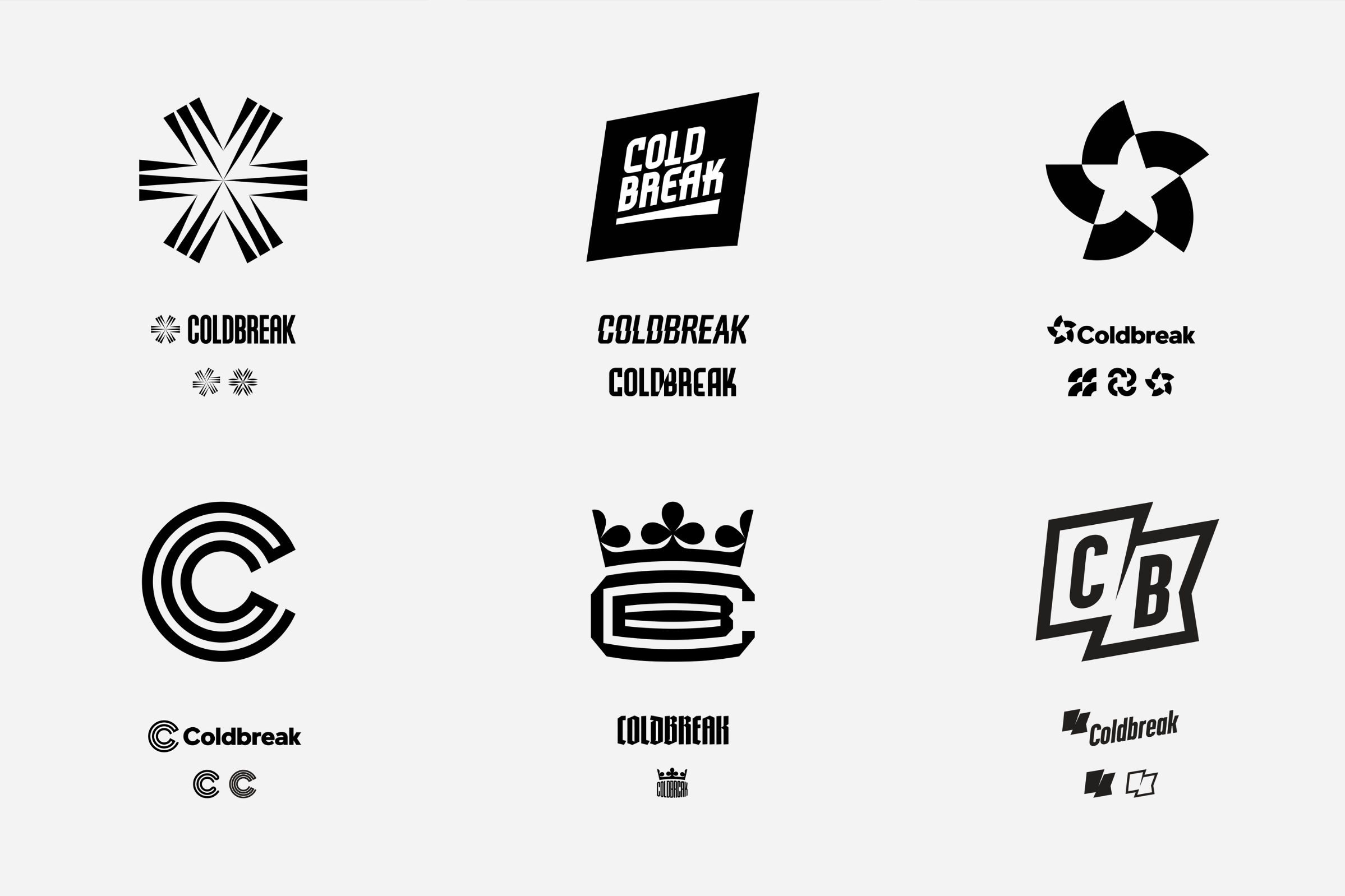
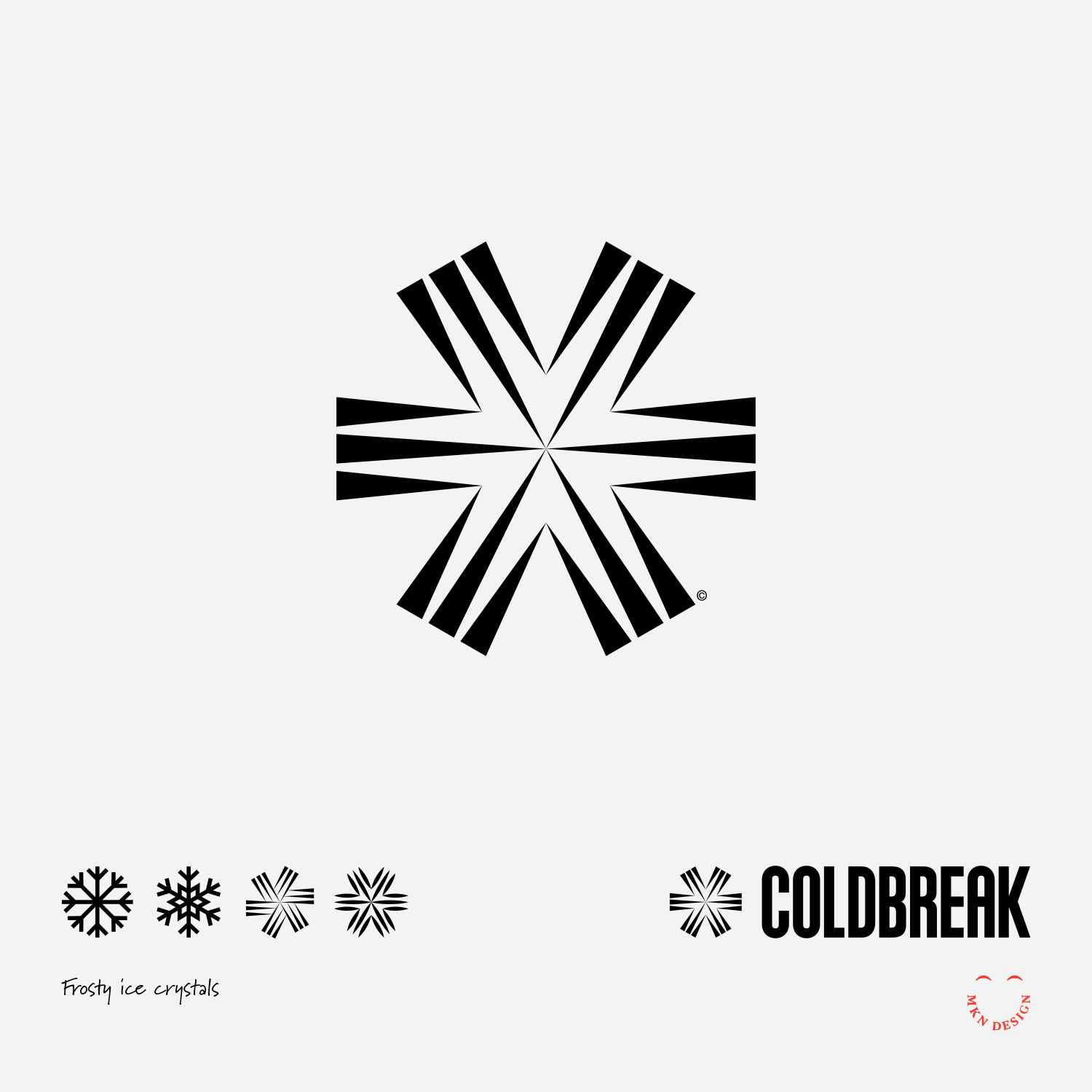
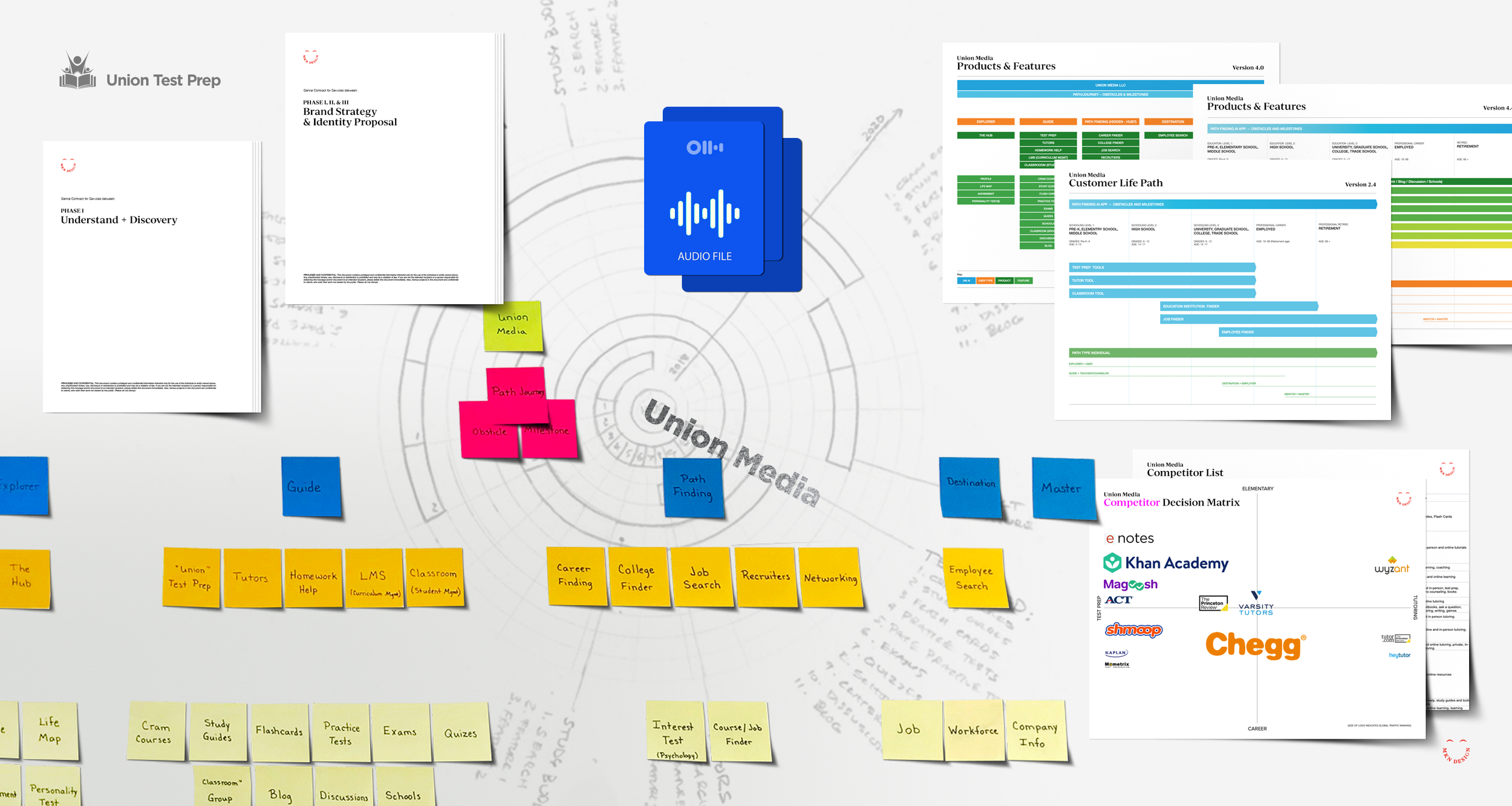
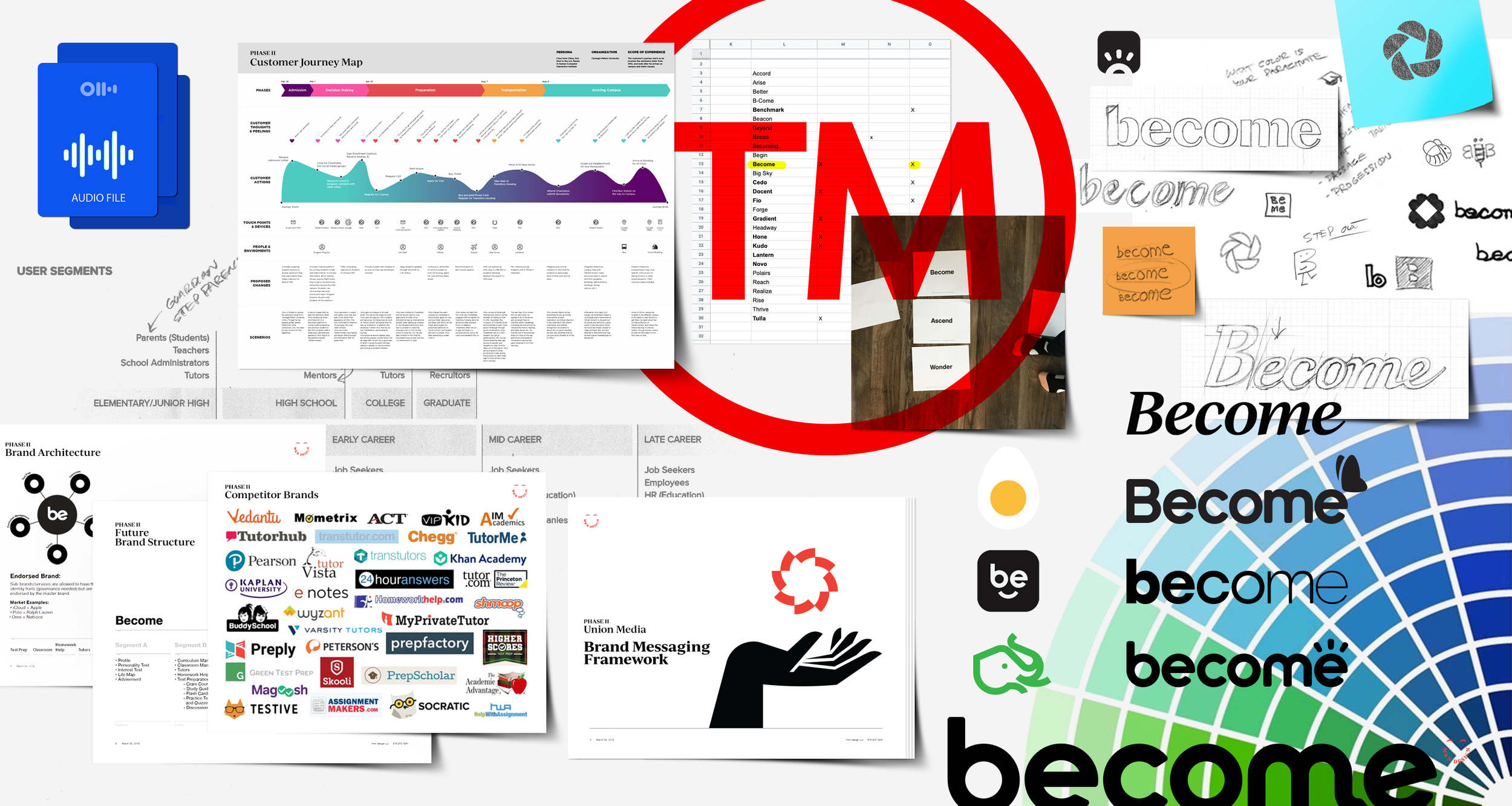
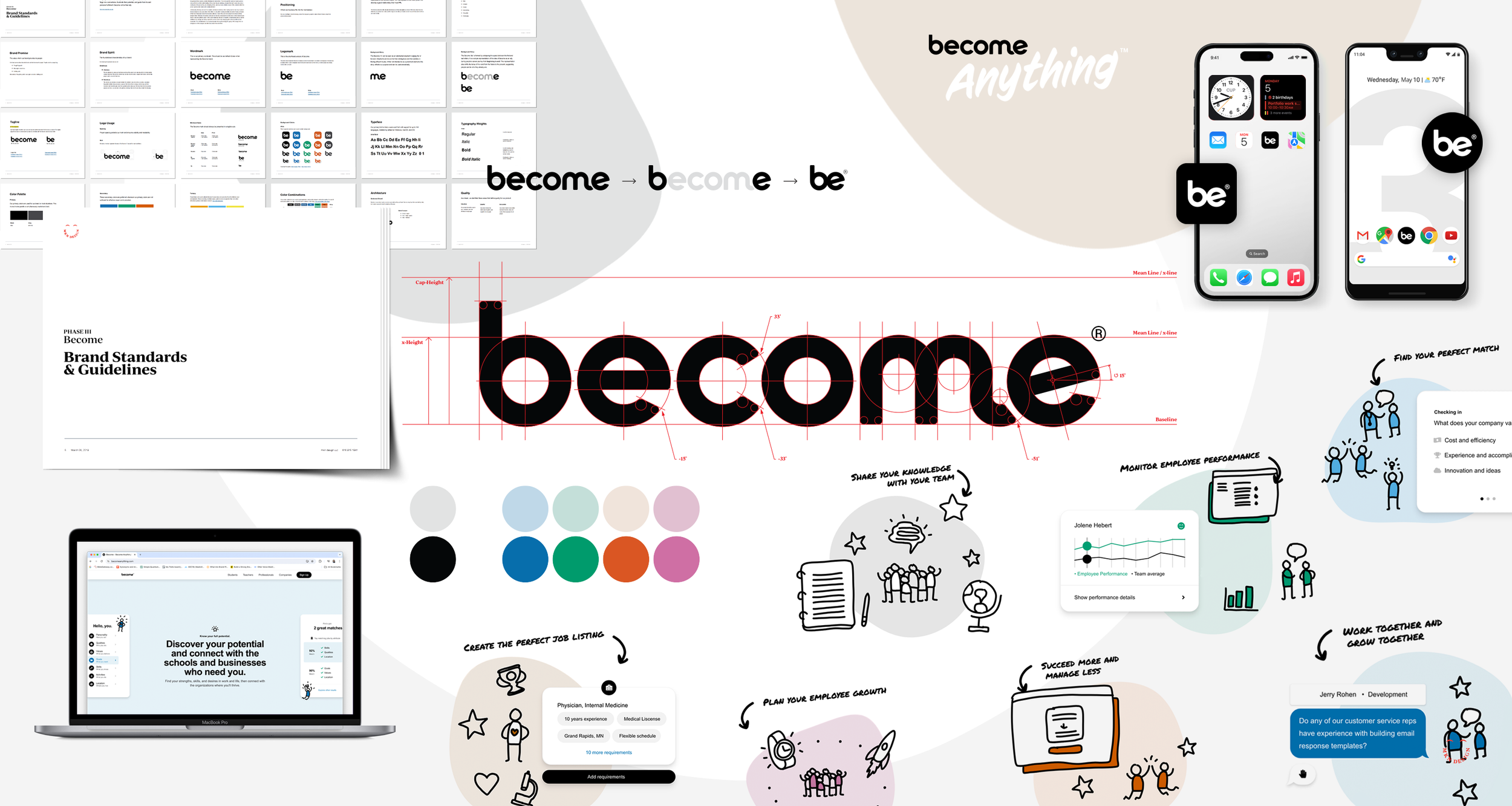
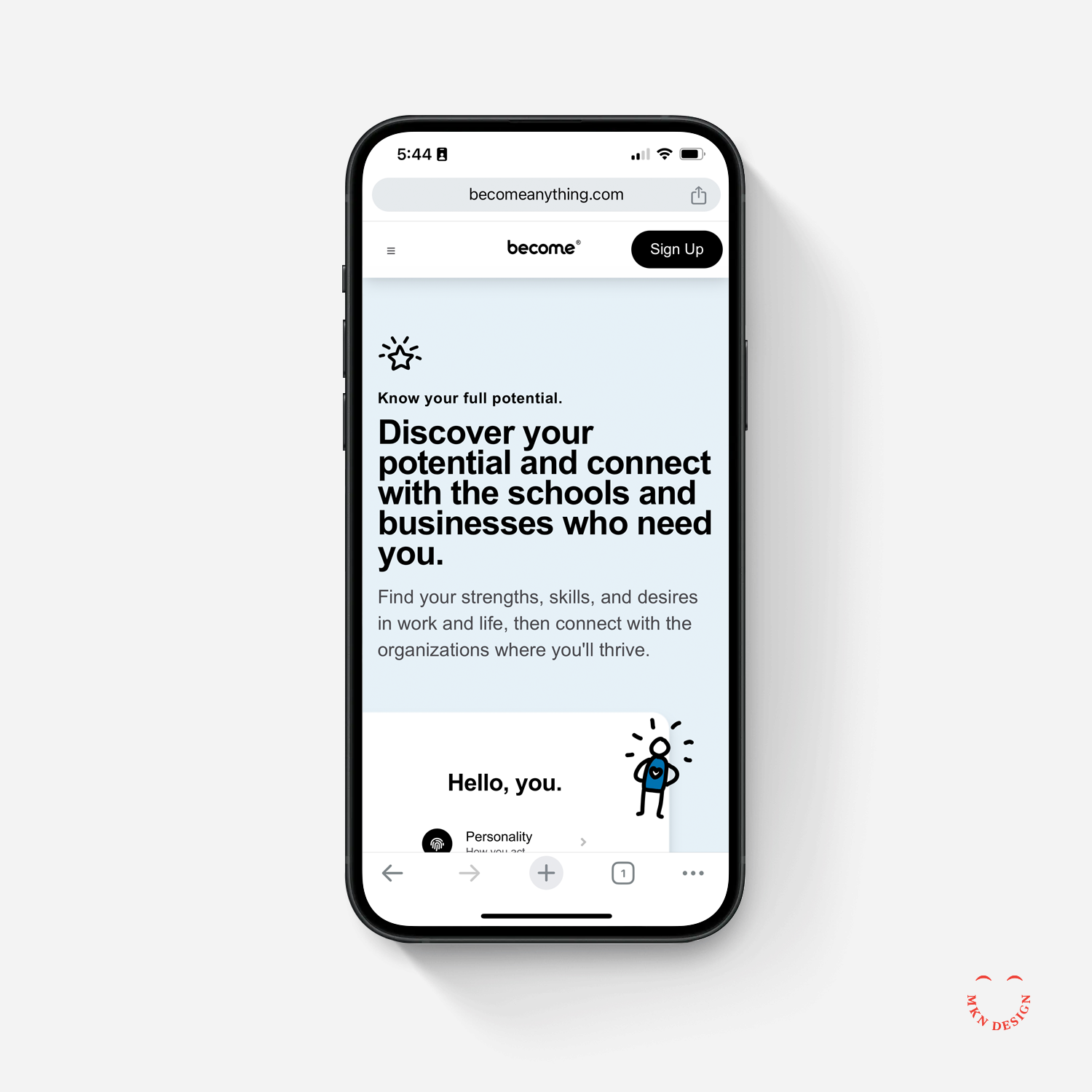
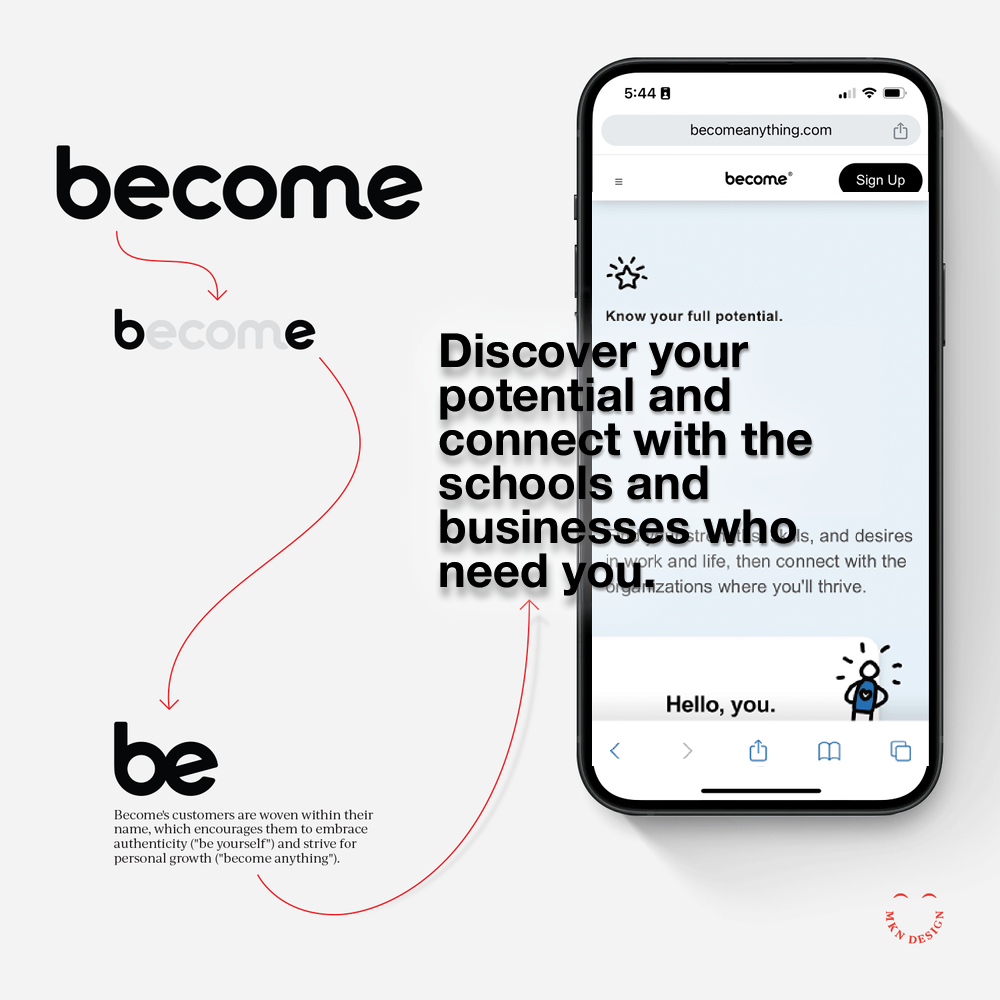
This graphic highlights the research phase (input) and the design phase (output).

Article
August 2025

__
Developing a Visual Strategy for Your Brand
Bold, simple illustration systems can do more for your brand than you think. It’s not just decoration—it’s a visual strategy. Clean, memorable forms can make your brand instantly recognizable, adapt seamlessly across mediums, and connect with audiences in a way that feels authentic. That’s why I design custom illustarated visuals tailored to your brand’s personality, tone, and story. Built as a scalable system, they work seamlessly across your website, print materials, and social media graphics.

Visual strategies range from literal to conceptual, simple to complex, and extend across iconography, illustration, and environmental design.

The result? Illustrations that not only look great, but also communicate your brand, connect with your audience, and stand the test of time—just like the iconography system I developed with Monotype for Riot Games. View the project here.

To create a strong visual system that delivers real impact, I start by understanding your brand messaging framework and visual identity—what I call input. This includes researching your history, vision, and competitors to uncover what makes your brand unique. From this often-chaotic mix of insights, my role is to distill, clarify, and translate them into an authentic, distinctive, and cohesive visual system—the output. This stage takes time and care, often involving multiple revisions, refinements, additional concepting, and your feedback to ensure it aligns perfectly with your brand’s vision.

If your brand is ready for that kind of impact, let’s talk!

Why Visual Systems Strengthen Your Brand:

1. Instant Recognition
Bold, simplified illustrative forms are easier for people to recall and recognize across different contexts—whether on packaging, digital ads, websites, or a small app icon.

2. Strong Brand Personality
They convey confidence and clarity, giving your brand a distinctive visual voice that can feel approachable, playful, or modern depending on the style.

3. Scalability & Flexibility
Simple illustration styles hold up at any size—from a billboard to a tiny social media avatar—without losing detail or impact.

4. Cross-cultural Accessibility
Clean, universal forms often transcend language barriers, helping your brand connect with diverse audiences more effectively.

5. Consistency Across Mediums
Simple illustrations are easier to adapt for web, print, merchandise, motion graphics, or environmental branding while staying on-brand.

6. Emotional Connection
Even pared-down visuals can carry warmth, humor, or storytelling—making your brand feel human and relatable in ways photography alone sometimes can’t.

7. Modern, Timeless Appeal
Bold, simple illustrations can feel contemporary while avoiding overly trendy details that might age quickly.

8. Cost-effectiveness in Production
They’re often less expensive to reproduce, print, or animate than complex imagery, especially in multi-channel campaigns.


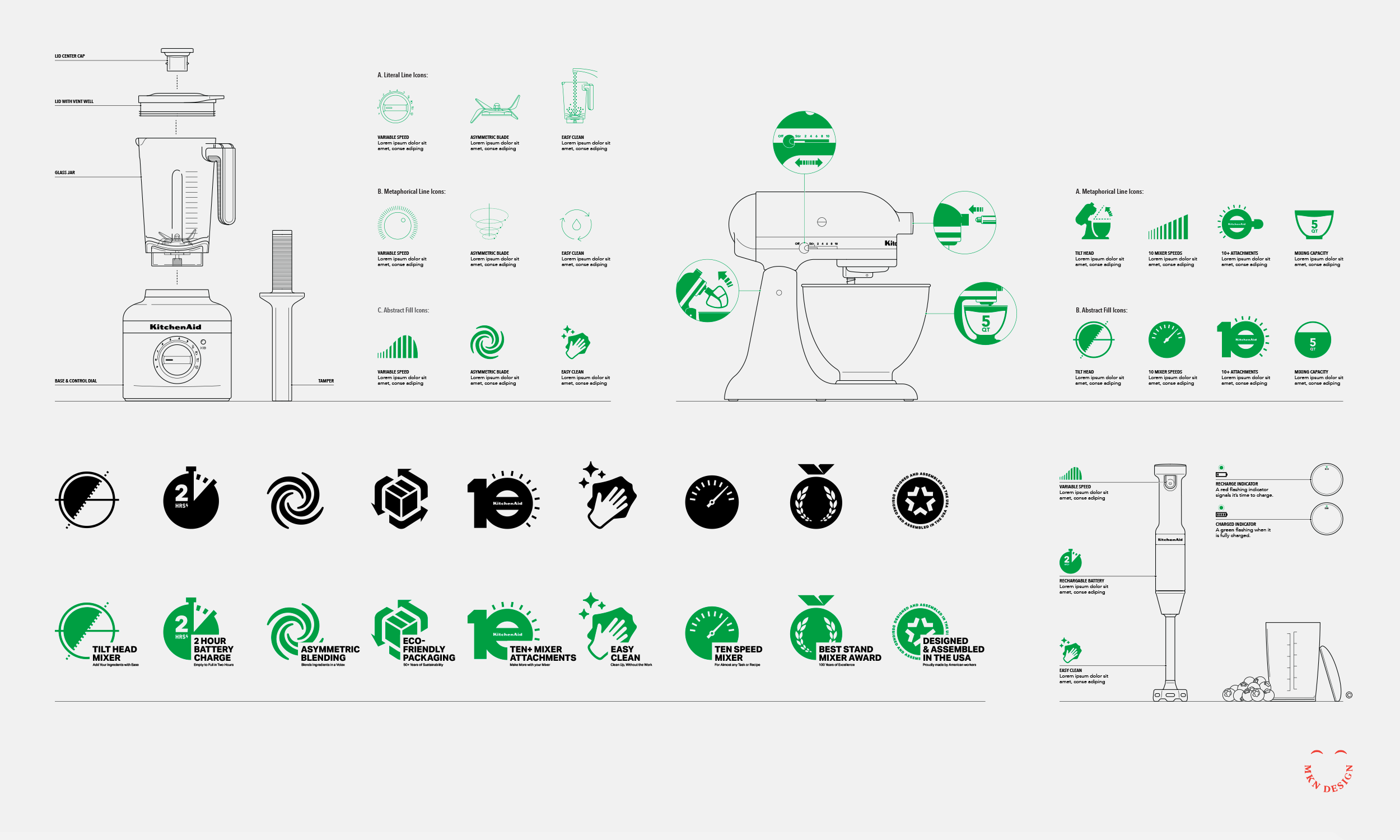
A small glimpse into my chaotic artboard, filled endless icon variations and subtle adjustments.


Strategy Requires Creativity


Article + Client Projects
July 2024

__
Strategy Requires Creativity
I remember when all creative concepts were hand-drawn. I honed this skill during my college years studying illustration and design, and continue to use it to this day. Nowadays, most clients don't see my sketches, as presenting 'polished' work has become the norm. Nevertheless, my sketches are what made the project.

For me, sketching is essential for visual problem solving and connecting ideas. It continues to help me to create strong visual concepts not only requiring a skilled hand and a good eye, but also empathetic, critical, and conceptual thinking.

If you're seeking human insight, creativity, and thoughtfulness, I can help your brand craft strategic, compelling and unique solutions based on your business objectives, your brand, and your consumers.


KitchenAid – Packaging Design System


Client Project


KitchenAid – Packaging Design System
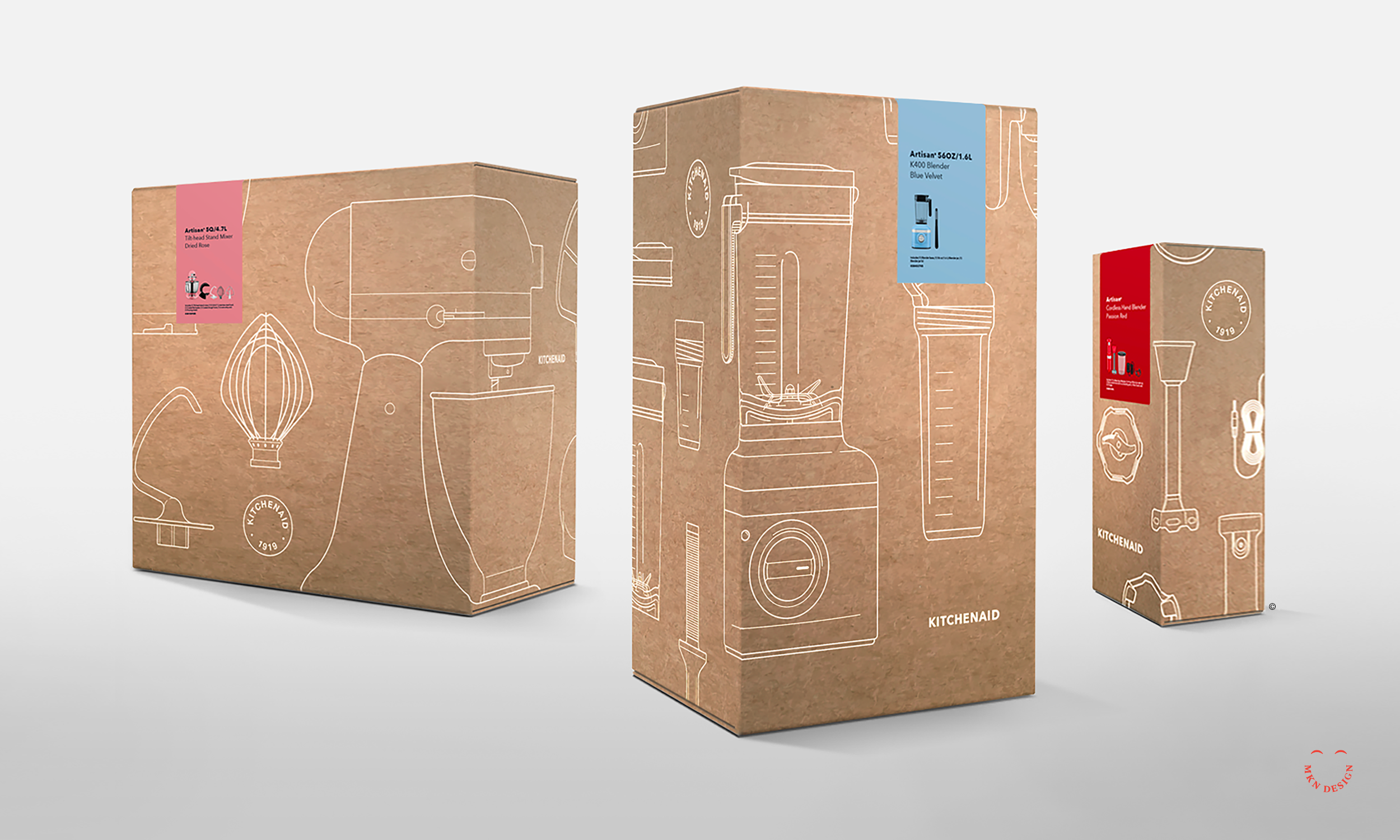
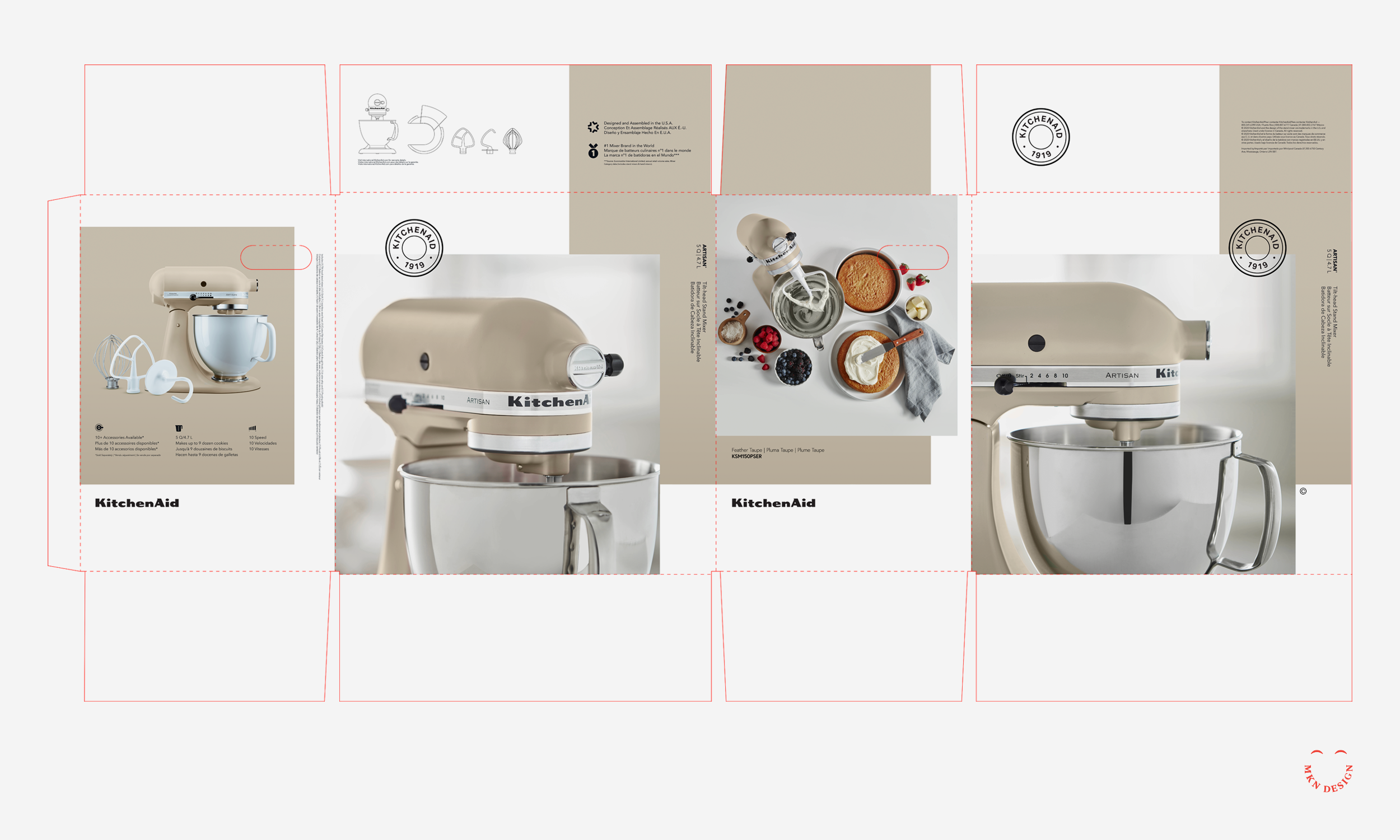
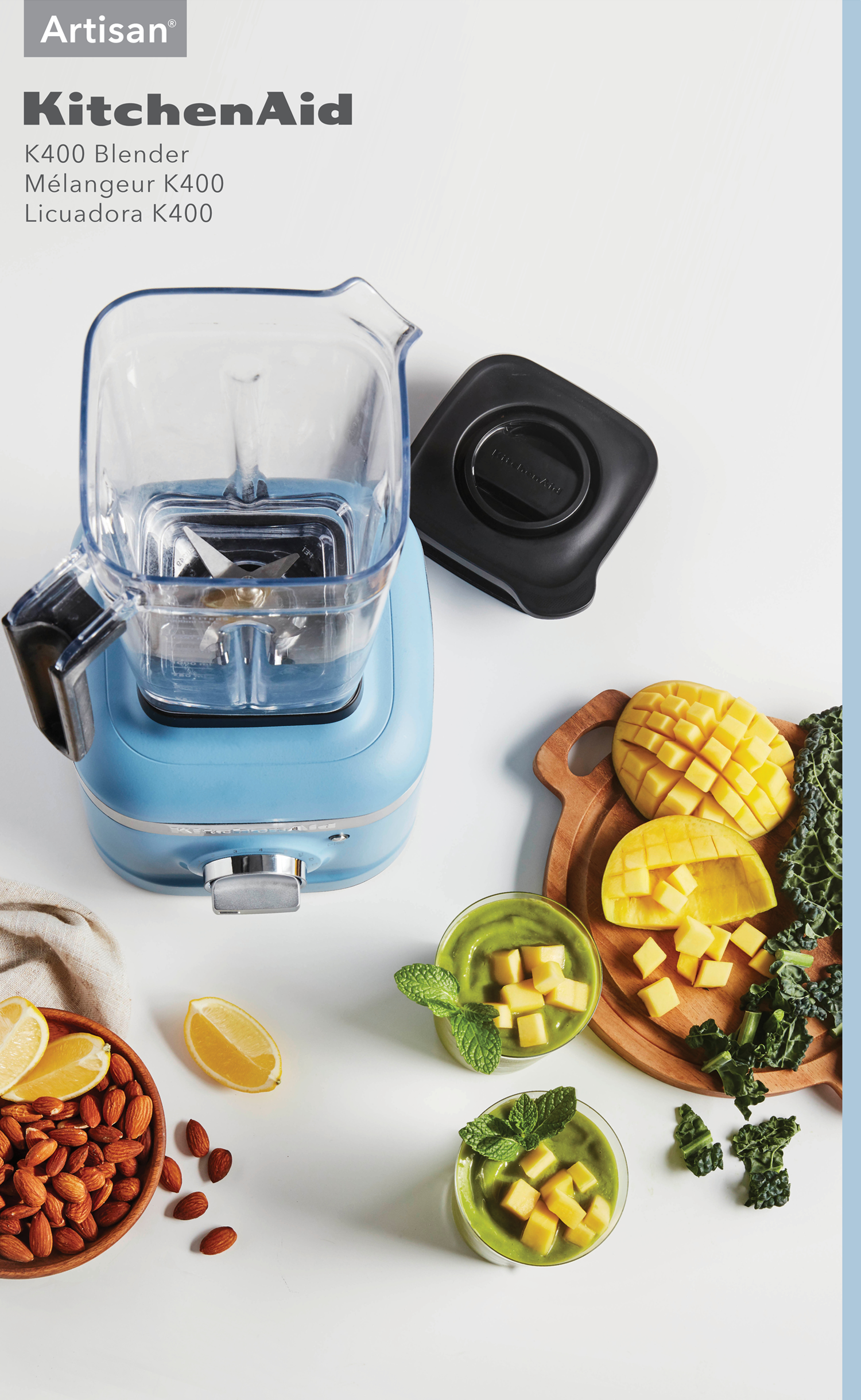
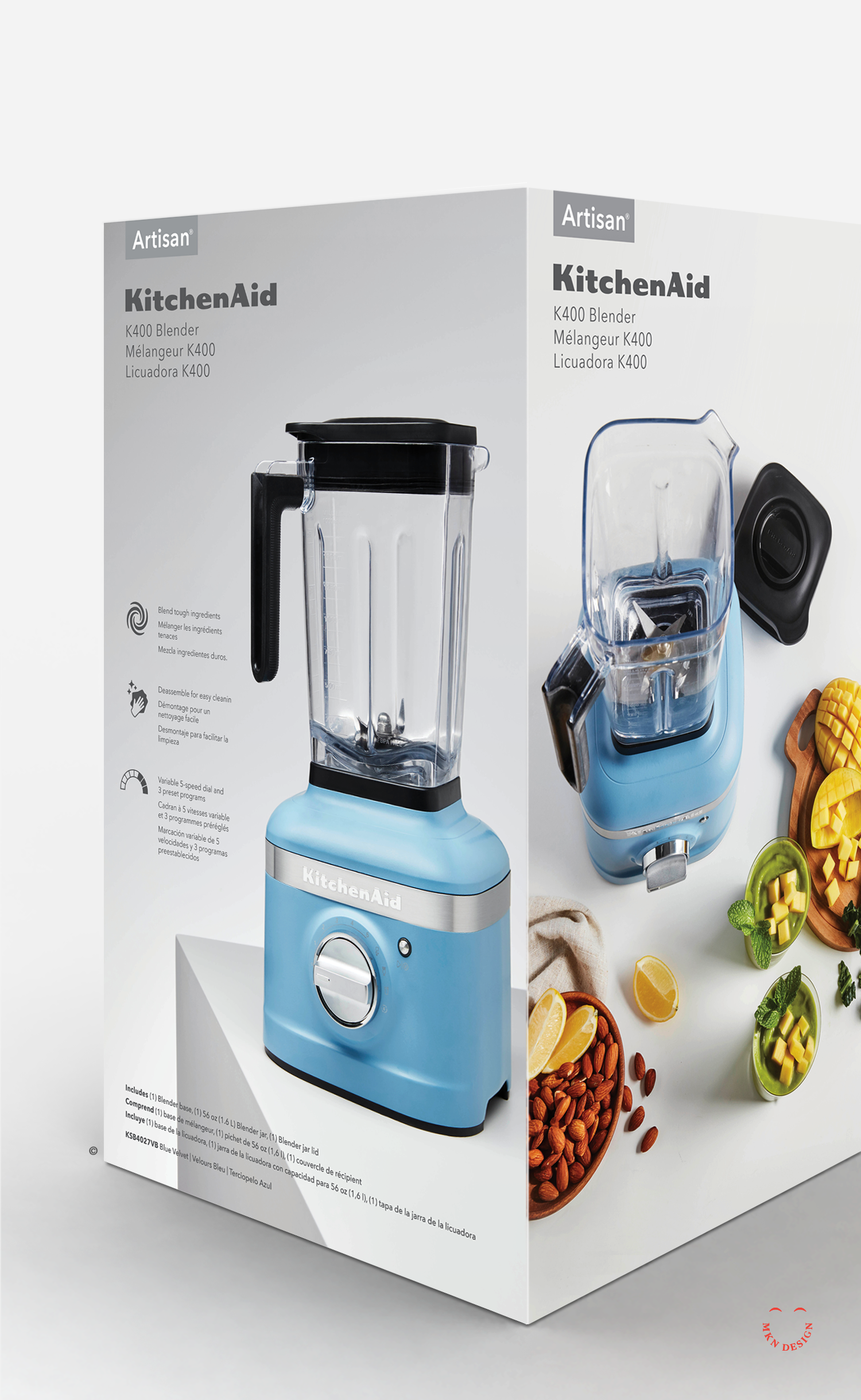
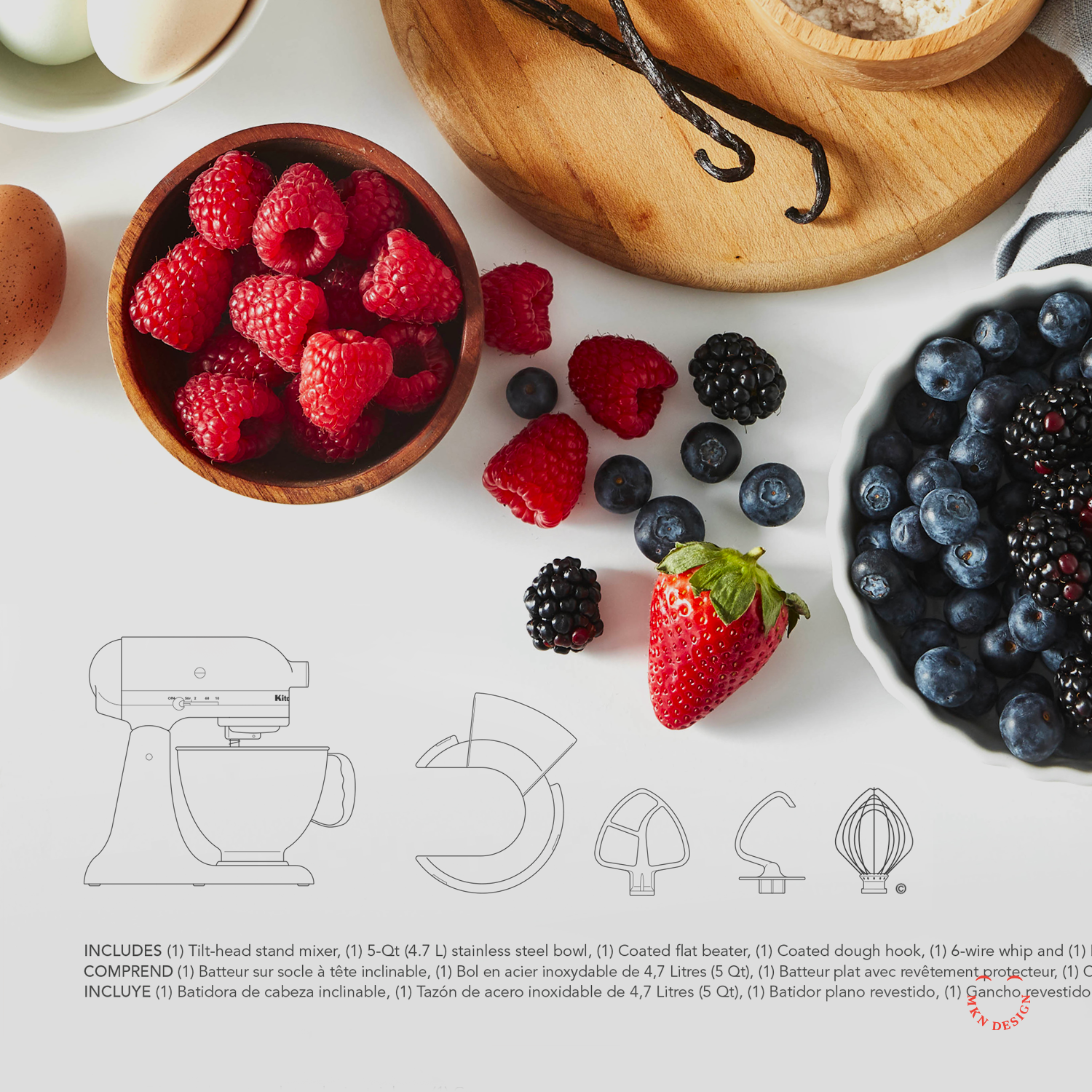
We were hired by KitchenAid to collaborate with their team of designers, engineers, photographers, and food stylists to define, develop, and design innovative packaging concepts for their award winning appliance products.
When KitchenAid approached me, they weren’t just looking to refresh their packaging—they were looking to reimagine how their iconic products could better connect to consumers, stand out on store shelves alongside competing brands, and reflect the modern, design-forward brand they had become. At the same time, they wanted to ensure that any evolution stayed rooted in the heritage that made KitchenAid a household name—especially with their globally recognized stand mixer.

Building on research and consumer insights from the first phase, we developed a clear design strategy to guide multiple packaging concepts—showcasing KitchenAid’s products as innovative, high-quality, and reinforcing the brand’s position as a leader in kitchen appliances.
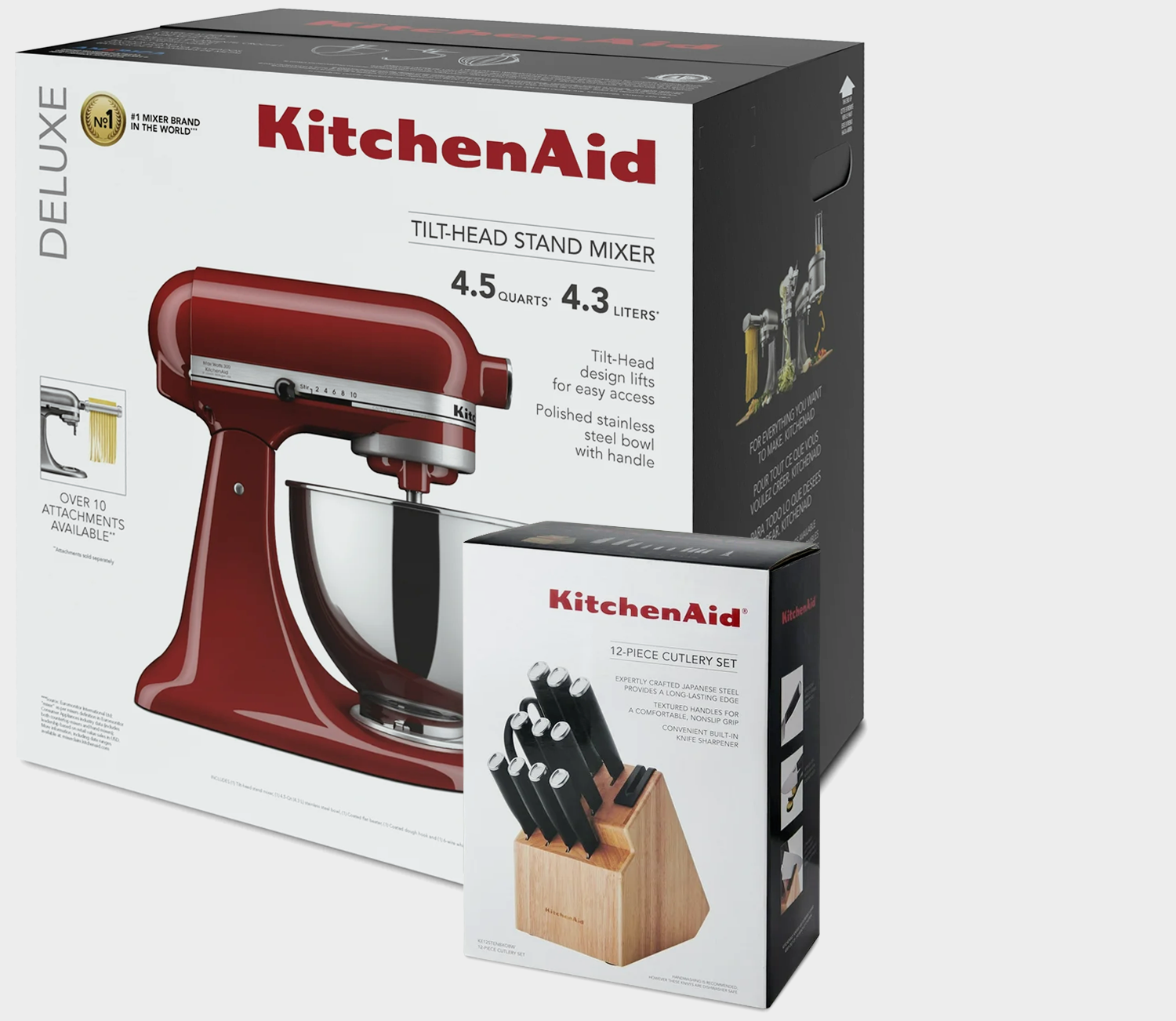
When we audited the existing packaging, it became evident that it no longer reflected the expectations of today’s consumers or the evolution of KitchenAid’s products. In a market moving toward bold simplicity, clean visual storytelling, and modern minimalism, the packaging appeared dark, cluttered, and outdated.
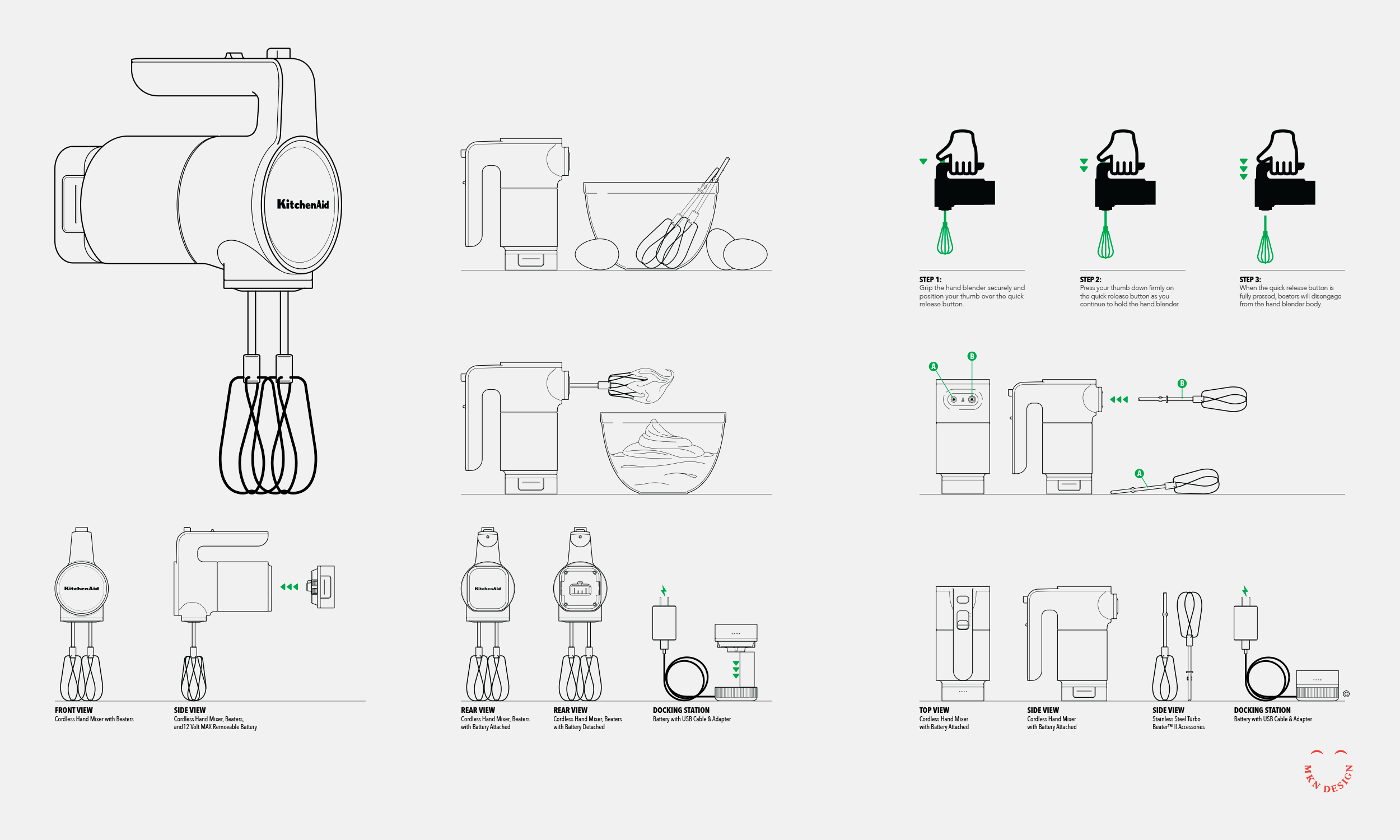
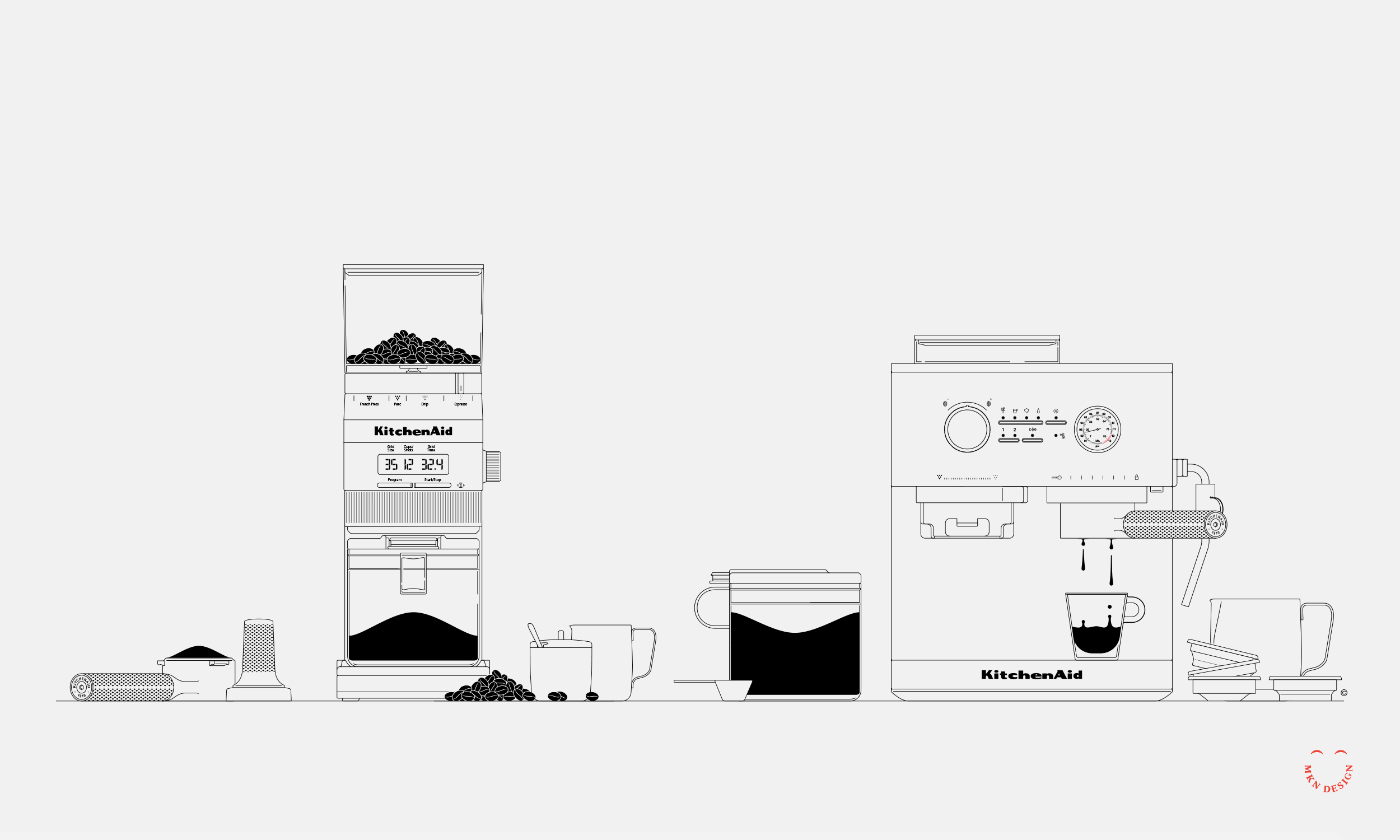
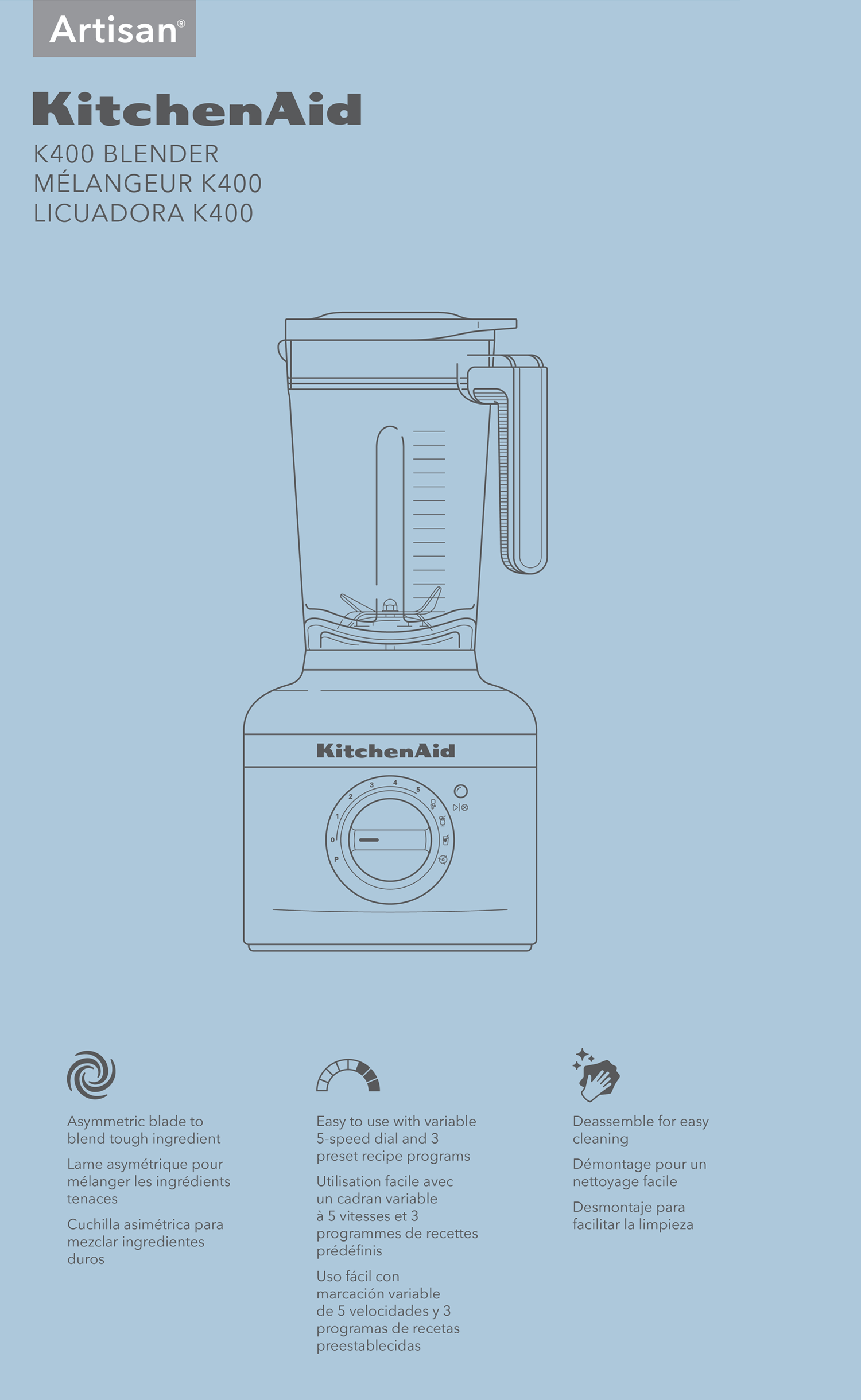
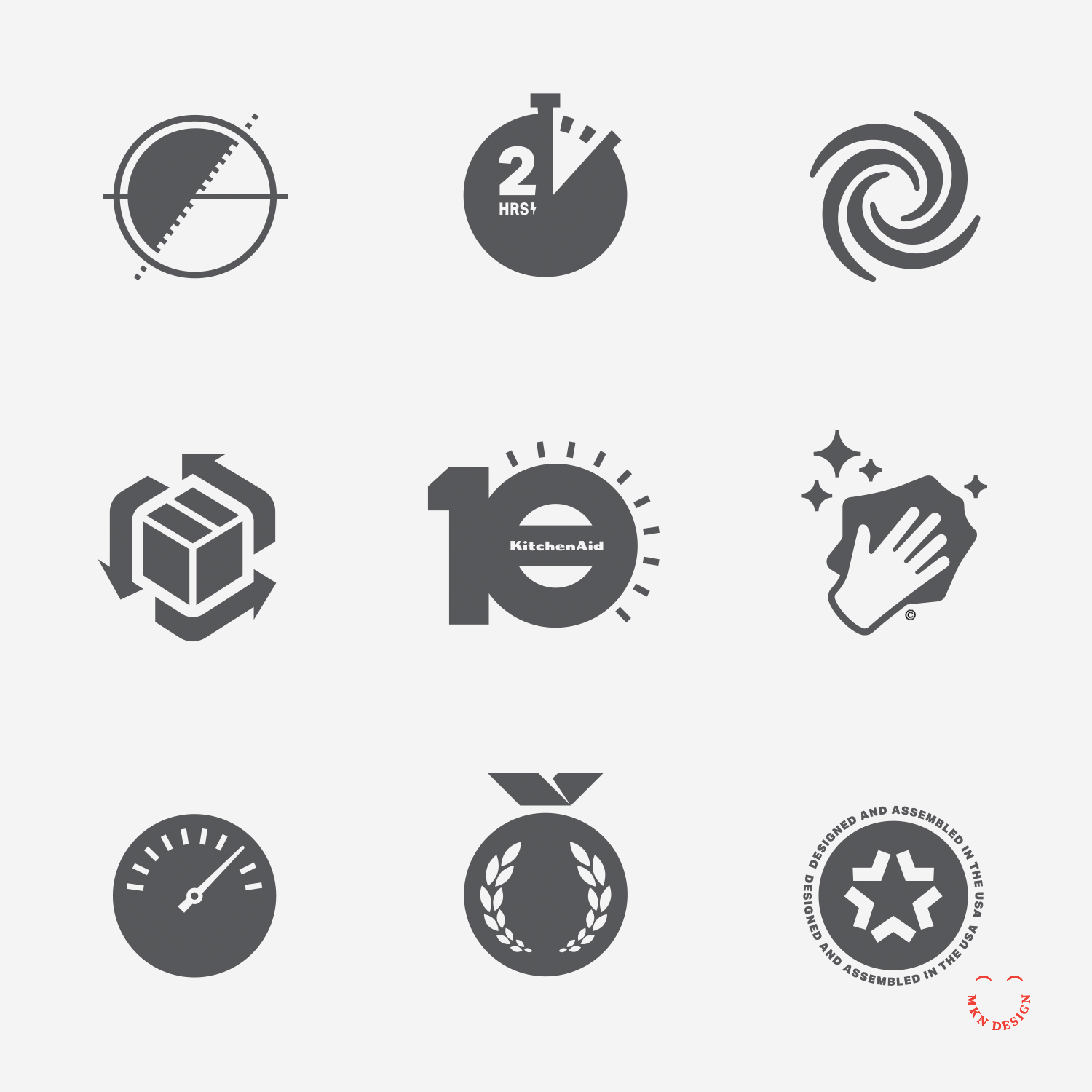
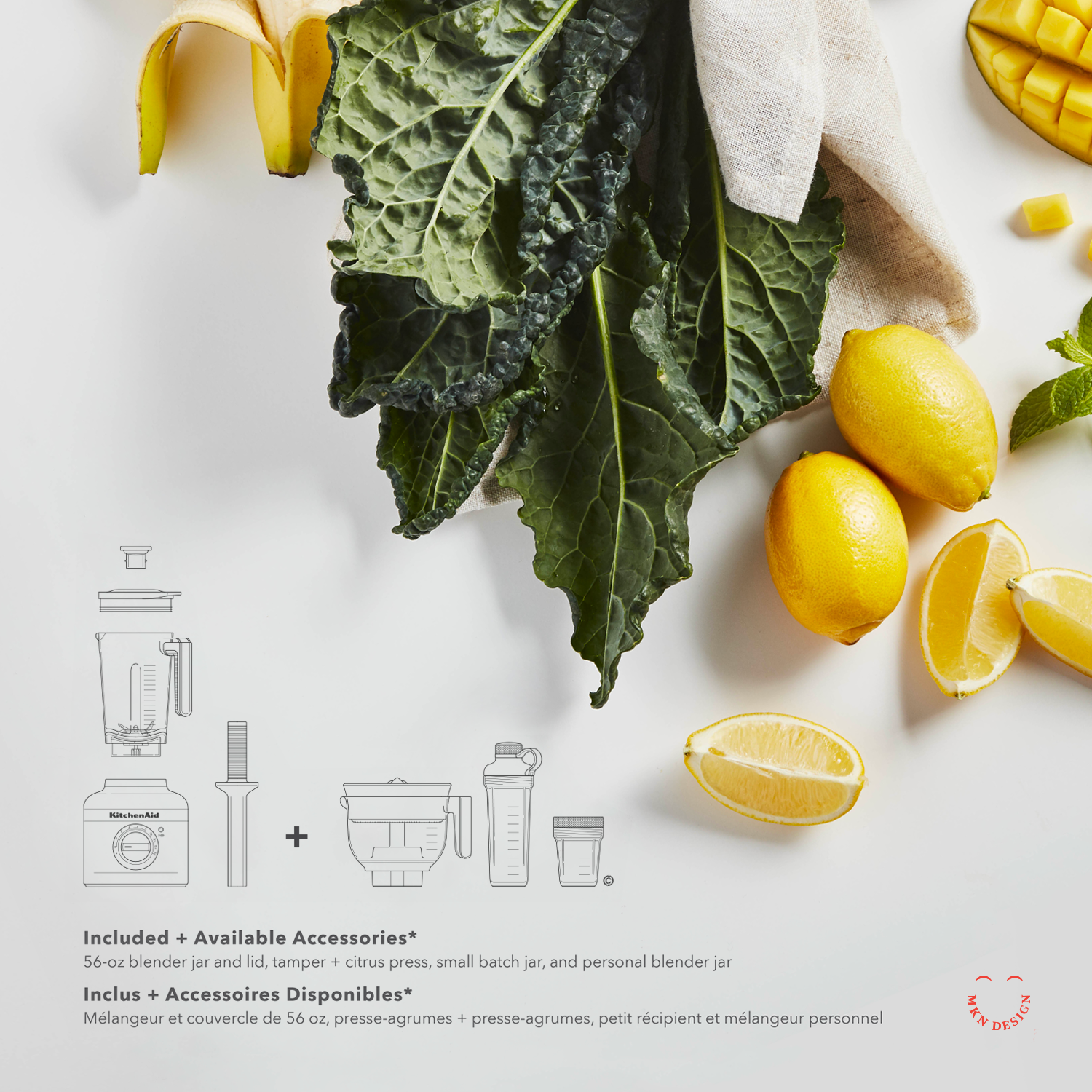
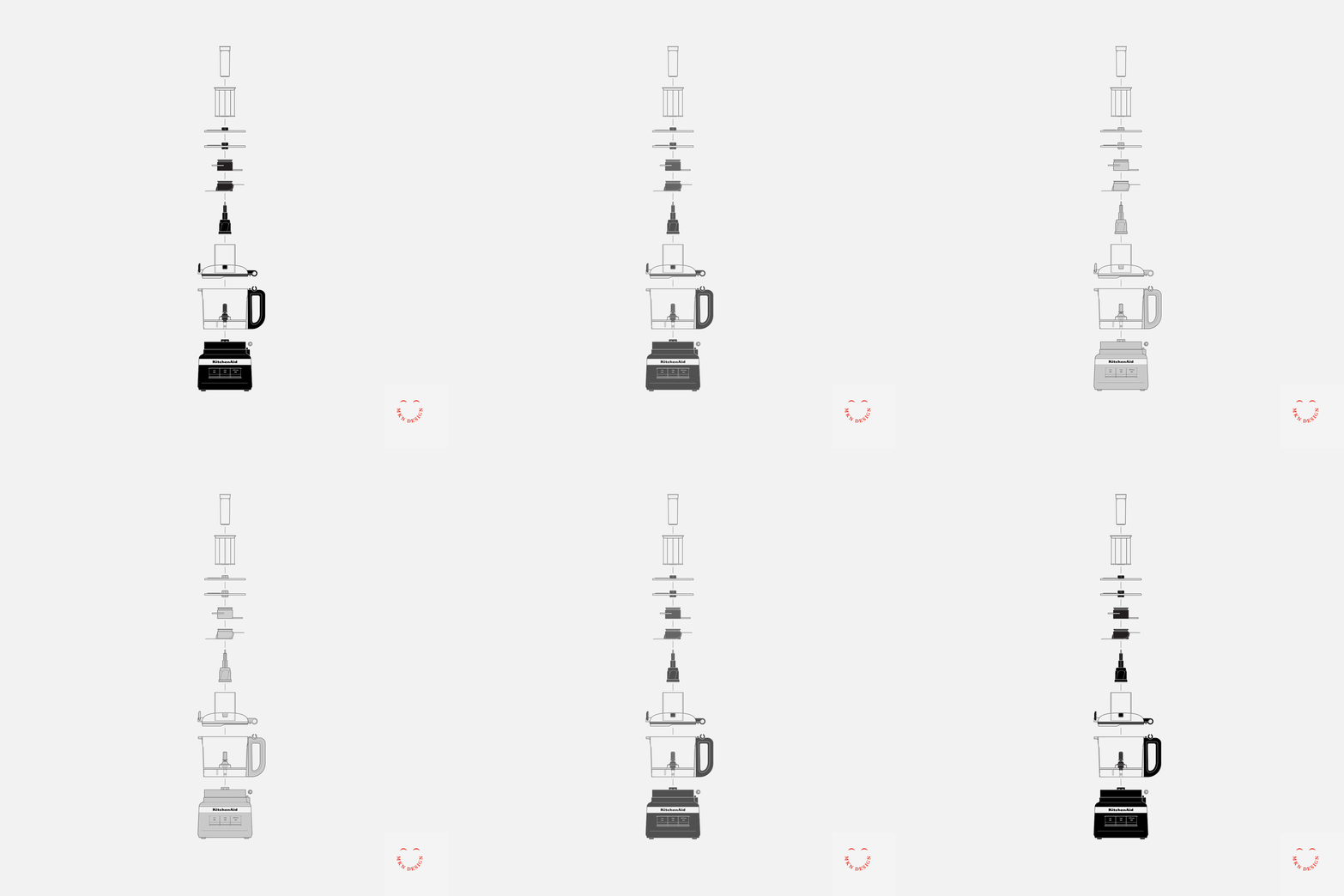
The design challenge was clear—reimagine the packaging in a way that honored KitchenAid’s heritage, spoke directly to today’s consumers, and embraced a modern visual language. To support this evolution, we also conceptualized a modern iconography language and illustrative system that could seamlessly integrate across the new packaging.

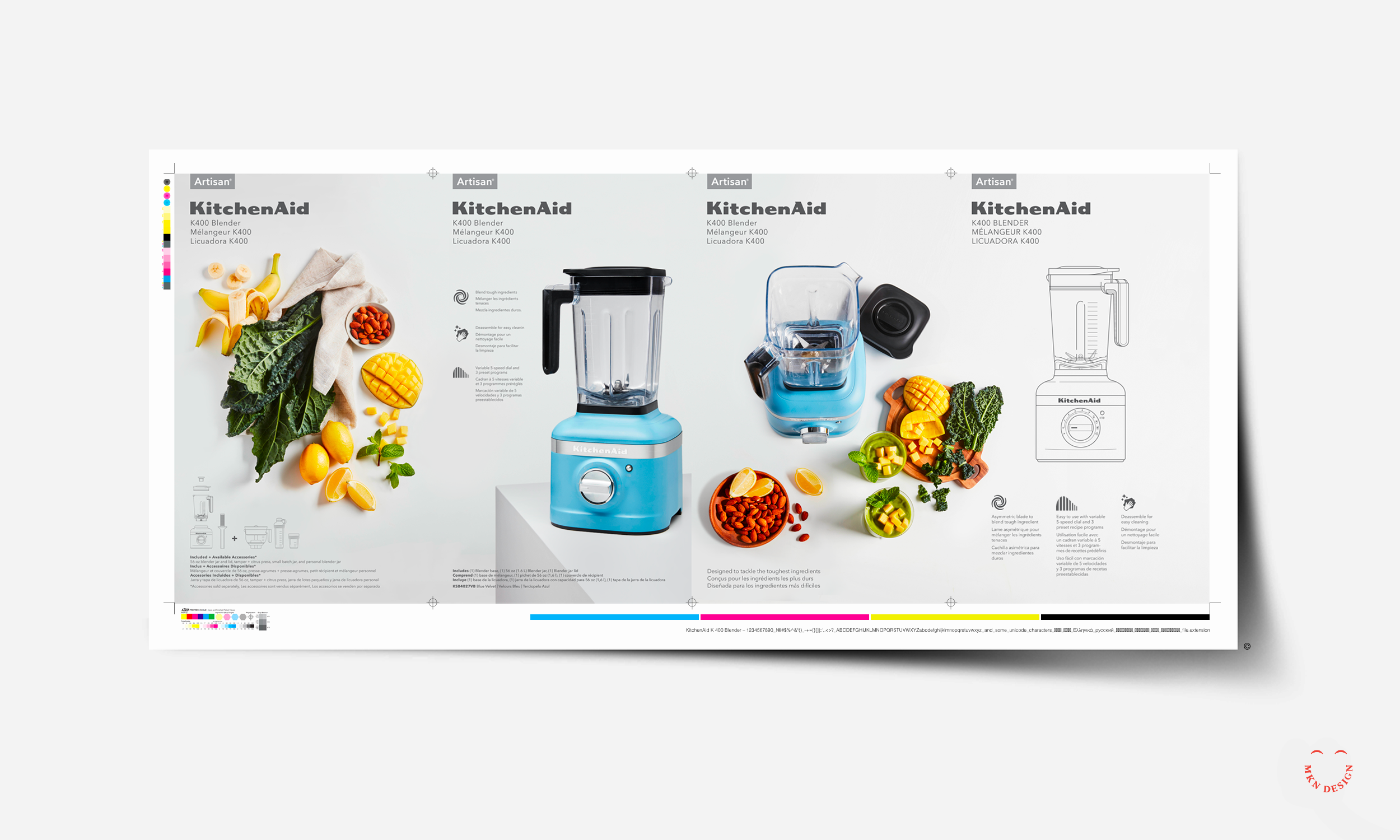
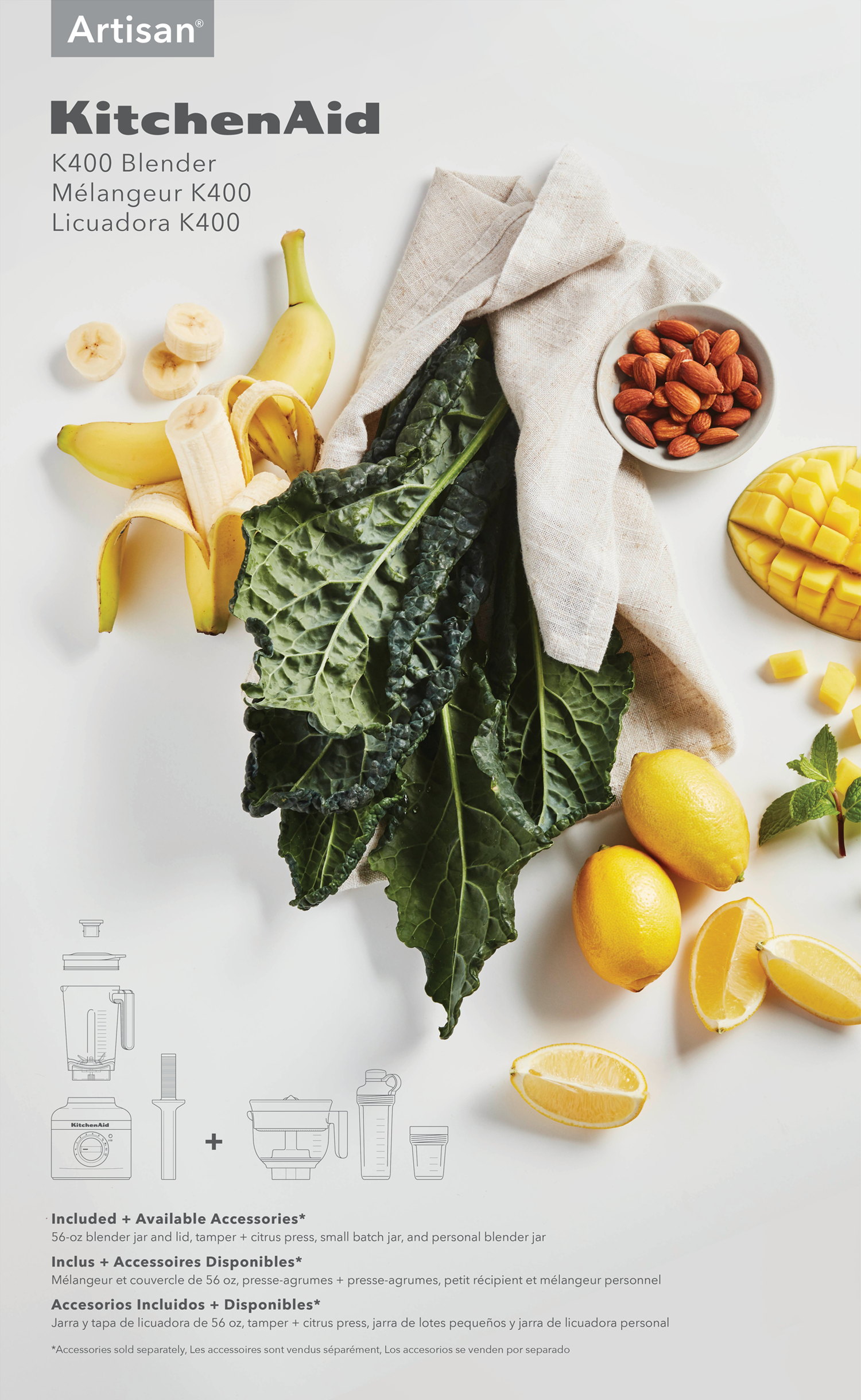
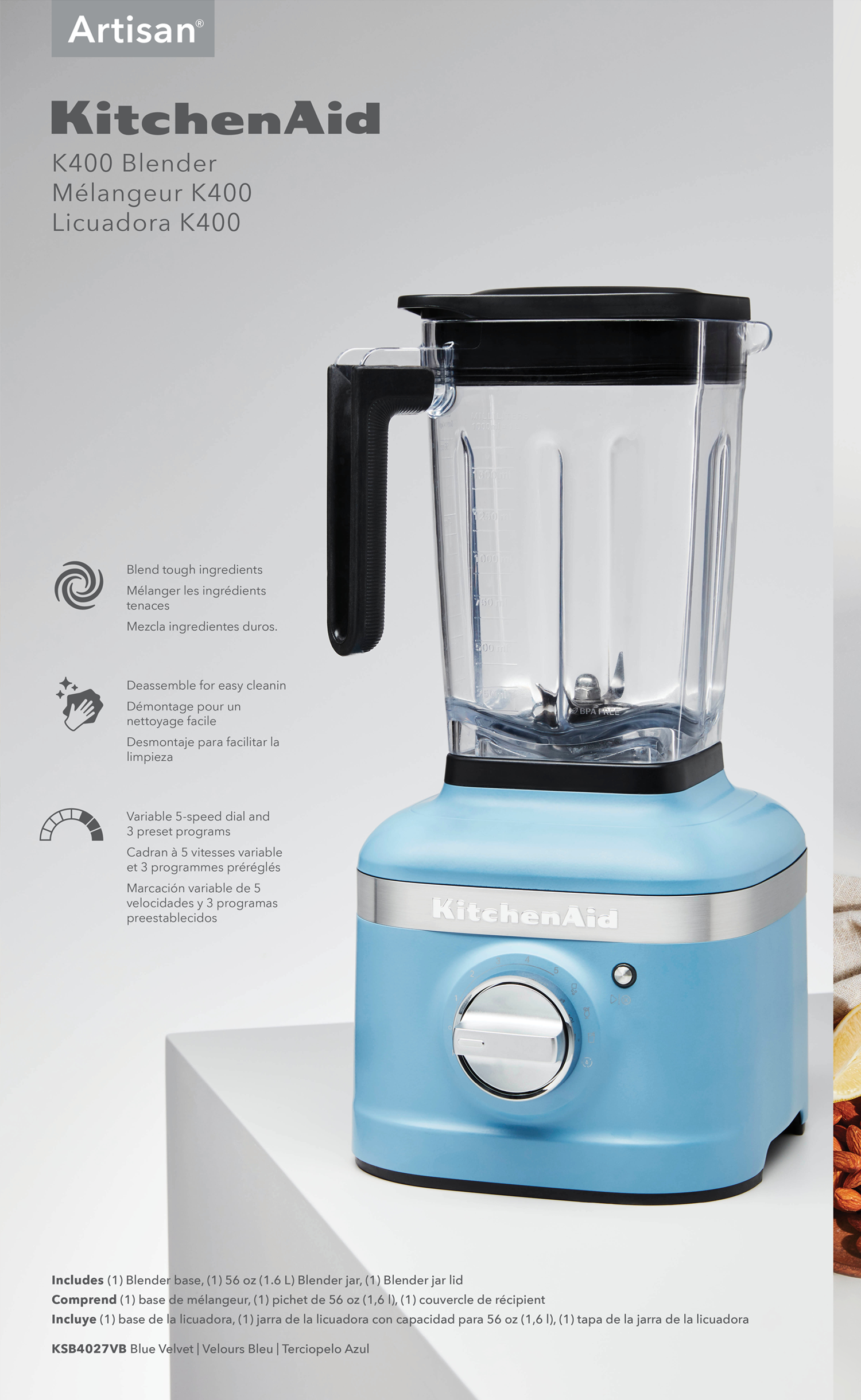
Working closely with the internal KitchenAid team, we began by diving into consumer insights, packaging trends, and design systems across related industries while also bringing our own creative perspective to the process. From this research, we developed a series of concepts built on a refined visual language that combined bespoke product illustrations with photography to drive storytelling, supported by iconography, color, and typography. All of this was organized within a thoughtful packaging system that could extend across product lines and packaging sizes, reinforcing the brand while prioritizing clarity and consumer engagement.

The final result was a flexible, strategic packaging system that scaled across all products—unmistakably KitchenAid, while reinforcing the brand and putting clarity and consumer engagement at the forefront.


↑ Original KitchenAid Packaging

 
  • KitchenAid
    Kitchen Appliance Manufacturing

  • Packaging Design System

  • + Branded Iconography
    + Communication Design
    + Concept Development
    + Consumer & Trend Research
    + Iconography System Design
    + Instructional Illustration
    + Photoshop & Physical Mock-ups
    + Product Research
    + Qualitative Research


Ancestry DNA – Visual Design System


Client Project


Ancestry DNA – Visual Design System
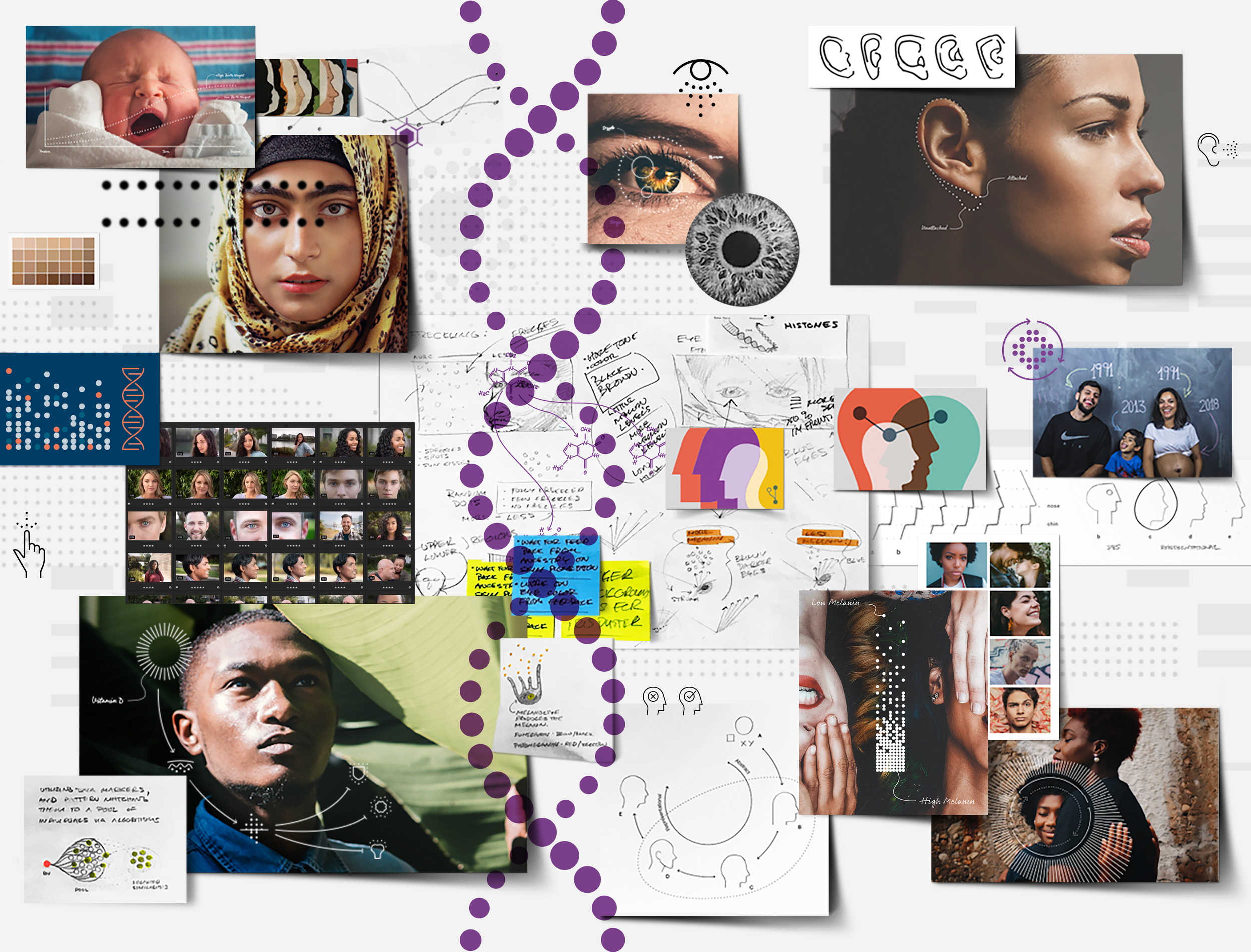
We helped Ancestry DNA, a leader in genealogy and genomics, define and develop a unified visual language system for their trait products using an iterative, user-driven framework.

The initiative focused on two primary objectives: to create a cohesive system of conceptual trait illustrations that helped users explore how their genes influence physical, nutritional, and sensory traits, and to ensure the visuals remained appropriately abstract, avoiding implications of scientific precision or universal accuracy for every individual.

The project followed our user-centered, iterative process—encompassing foundational research and discovery, qualitative research, and conceptual exploration informed by user feedback. This process guided the development of a visual language that brought consistency and clarity across Ancestry’s trait products, while layering illustrations over diverse, human-centered photography to deepen storytelling.

Additionally, the product’s visual system emphasized social engagement, education, and fun—combining scientific insight with approachable design, storytelling, and custom photography to deliver an engaging and memorable user experience. Informed by the completed live visual system and user analytics, the Traits product section achieved a 75% customer satisfaction rate and a 40% take rate among users, while weekly visits across all DNA products increased by 326%.

Note: The graphic above is a coalescence of artifacts—including research, design, illustration, iconography, and photography. Together this board shaped the overall visual language for Ancestry’s digital products.

 
  • Ancestry DNA
    Biotechnology & Information Services

  • Visual Design System

  • + Concept Development
    + Illustrative Storytelling
    + Product Research
    + Qualitative Research
    + Sketching & Ideation
    + Visual Identity System


SpartanNash – Corporate Responsibility Report


Client Project


SpartanNash – Corporate Responsibility Report
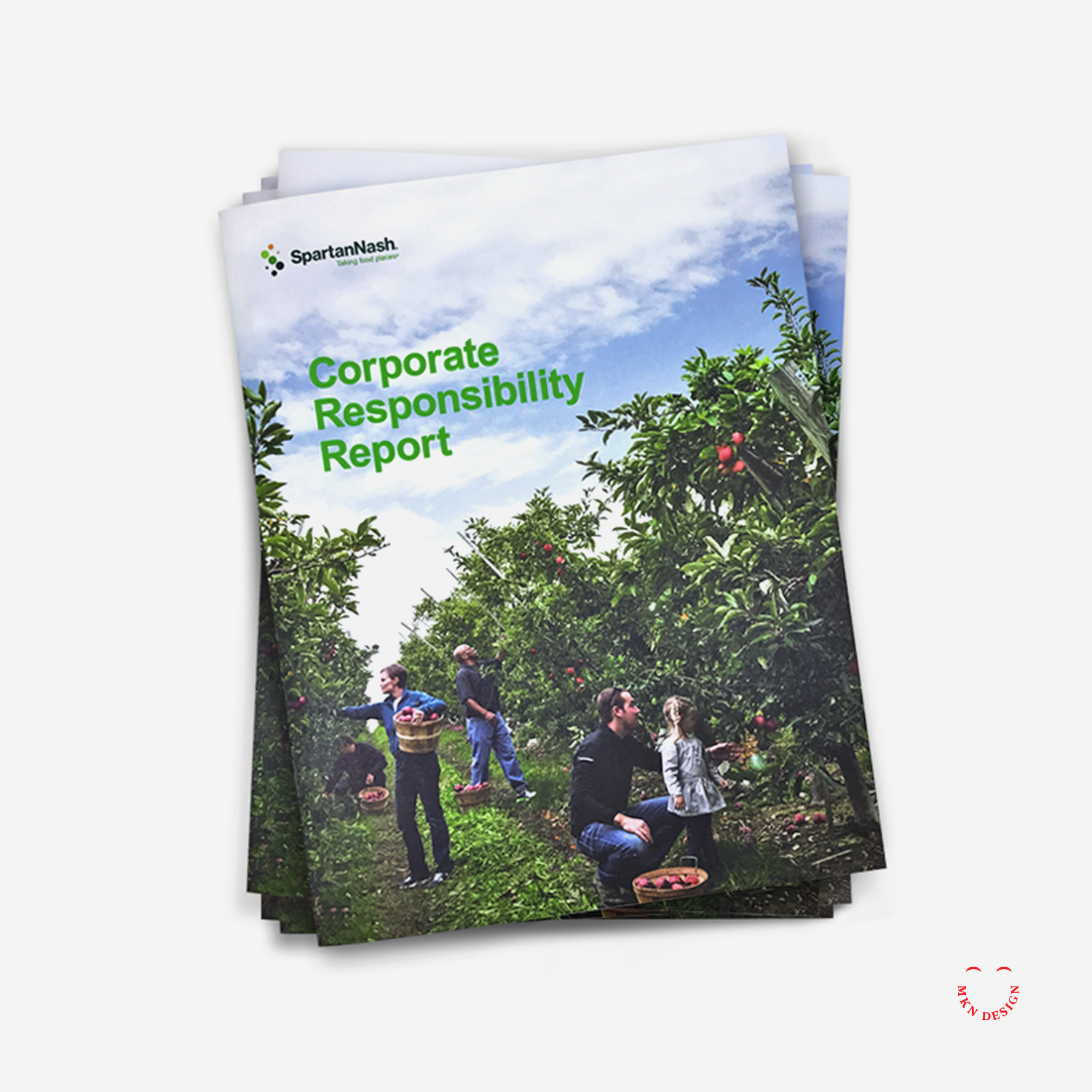
Hired by SpartanNash, I collaborated with their marketing team to direct, develop, and design a 36-page corporate responsibility report. Headquartered in Michigan, SpartanNash is the largest food distributor in the U.S., serving independent grocers, military commissaries, and corporate-owned retail stores across 44 states.

Serving as design director, I led the process to the development and design of the report, highlighting SpartanNash’s core values, diverse capabilities, community engagement, and commitment to environmental responsibility through a strategic combination of copy, visuals, design, and infographics.

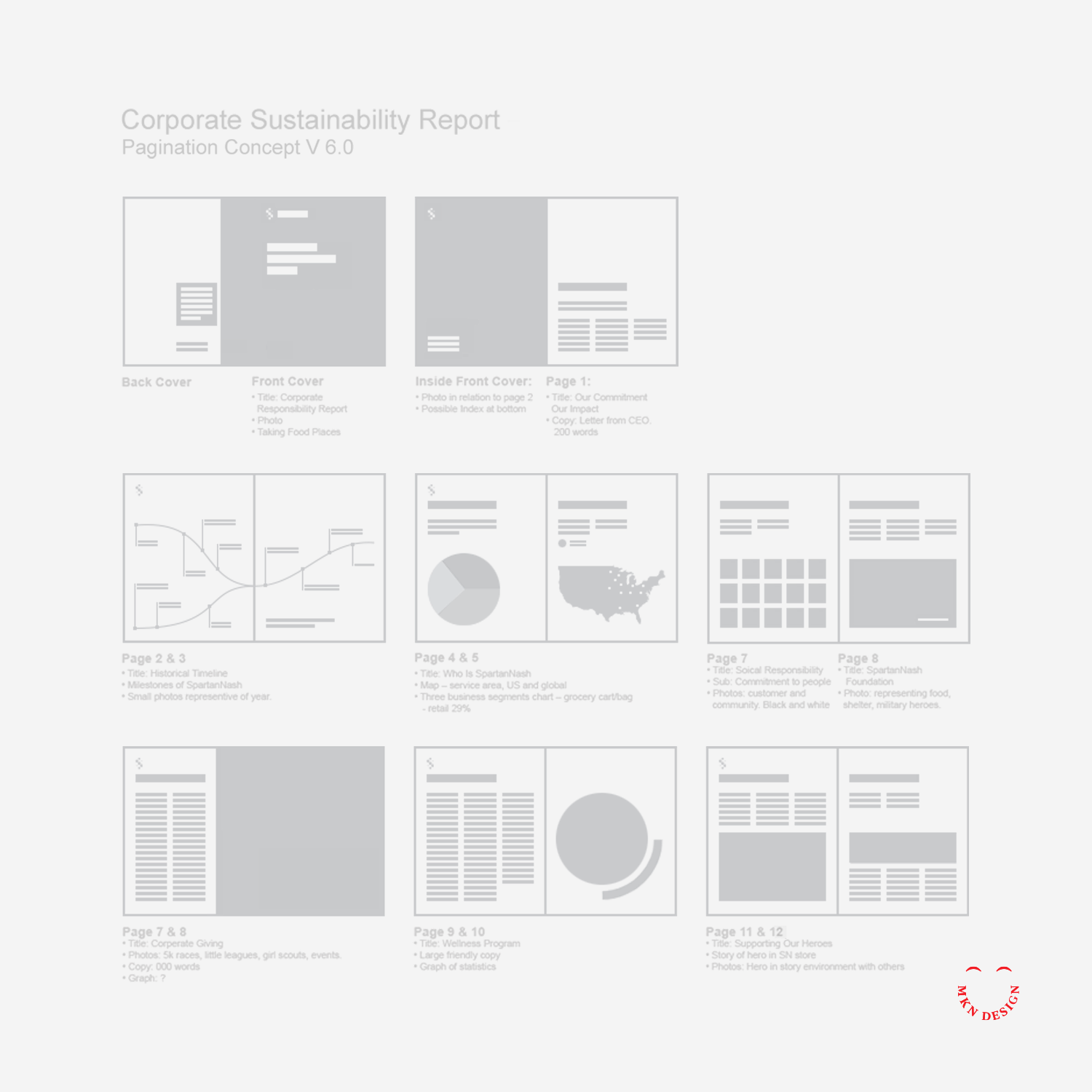
Following a guided design process, I reviewed and analyzed SpartanNash’s areas of social and environmental responsibility, shaping each section to tell the story of their sustainable journey. By integrating storytelling with design, we connected their core values, capabilities, and community efforts into a cohesive narrative.

The final brochure brought SpartanNash’s story to life, combining compelling visuals, informative infographics, and clear, engaging design to communicate their achievements and initiatives. Serving as both a visually engaging and practical reference, it reinforced the company’s commitment to sustainability, community, and corporate responsibility, resulting in a comprehensive and impactful sustainability report.

 
  • SpartanNash
    Food Wholesale & Retail Grocer

  • Corporate Responsibility Report

  • + Communication Design
    + Concept Development
    + Illustrative Storytelling
    + Product Research
    + Pagination Desgin
    + Qualitative Research
    + Sketching & Ideation
    + Visual Identity System


Religion & Liberty – Rebrand & Magazine System Design


Client Project


Religion & Liberty – Rebrand & Magazine System Design
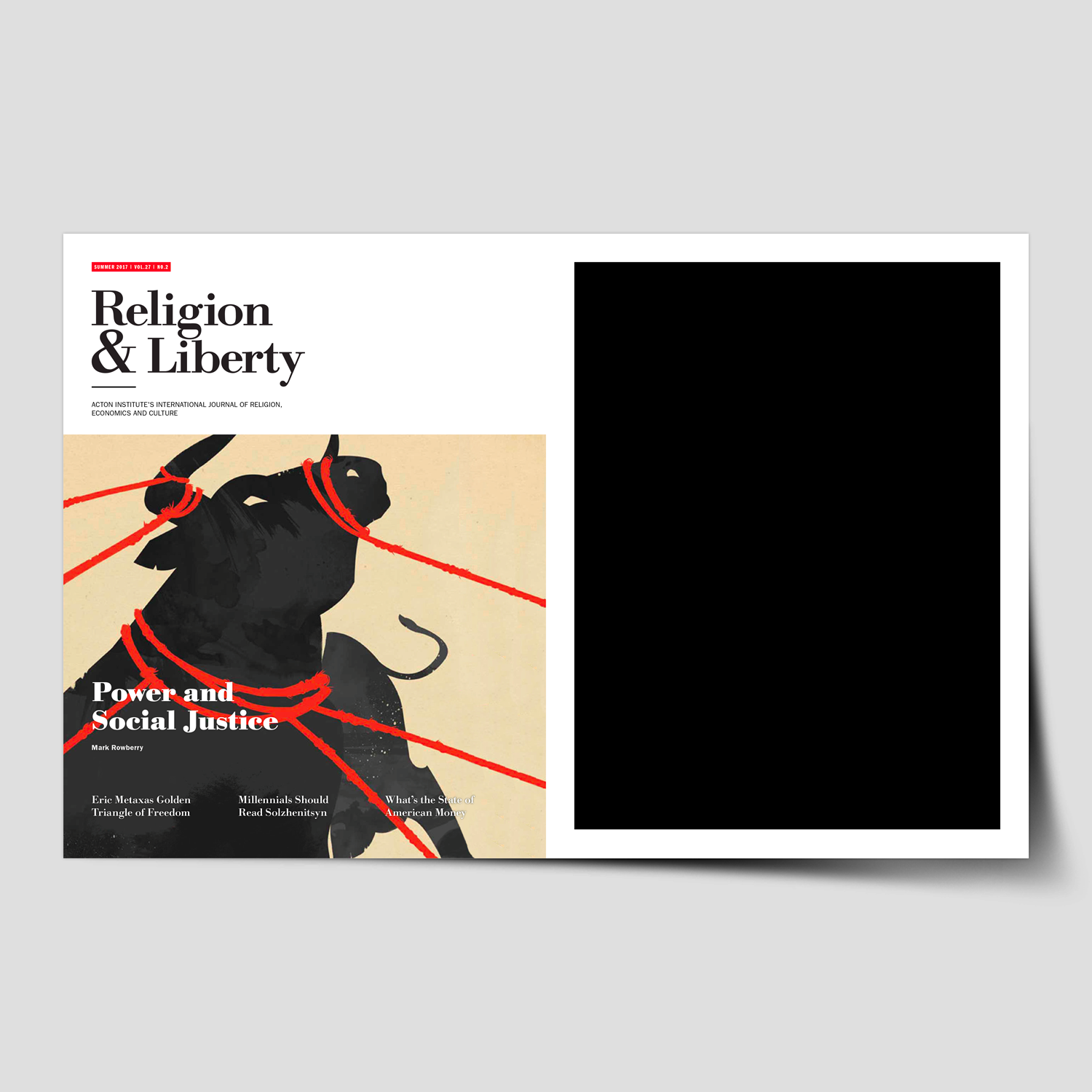
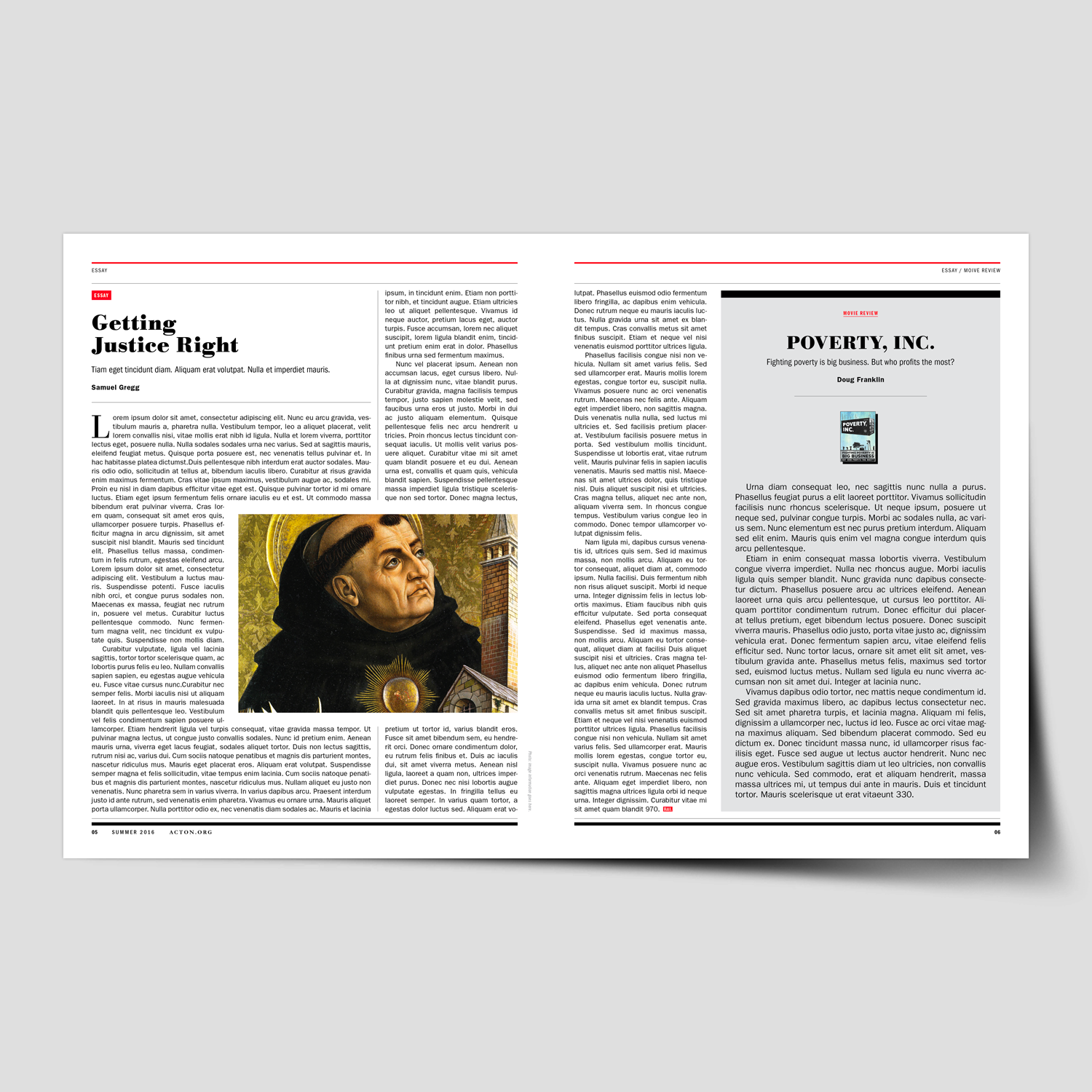
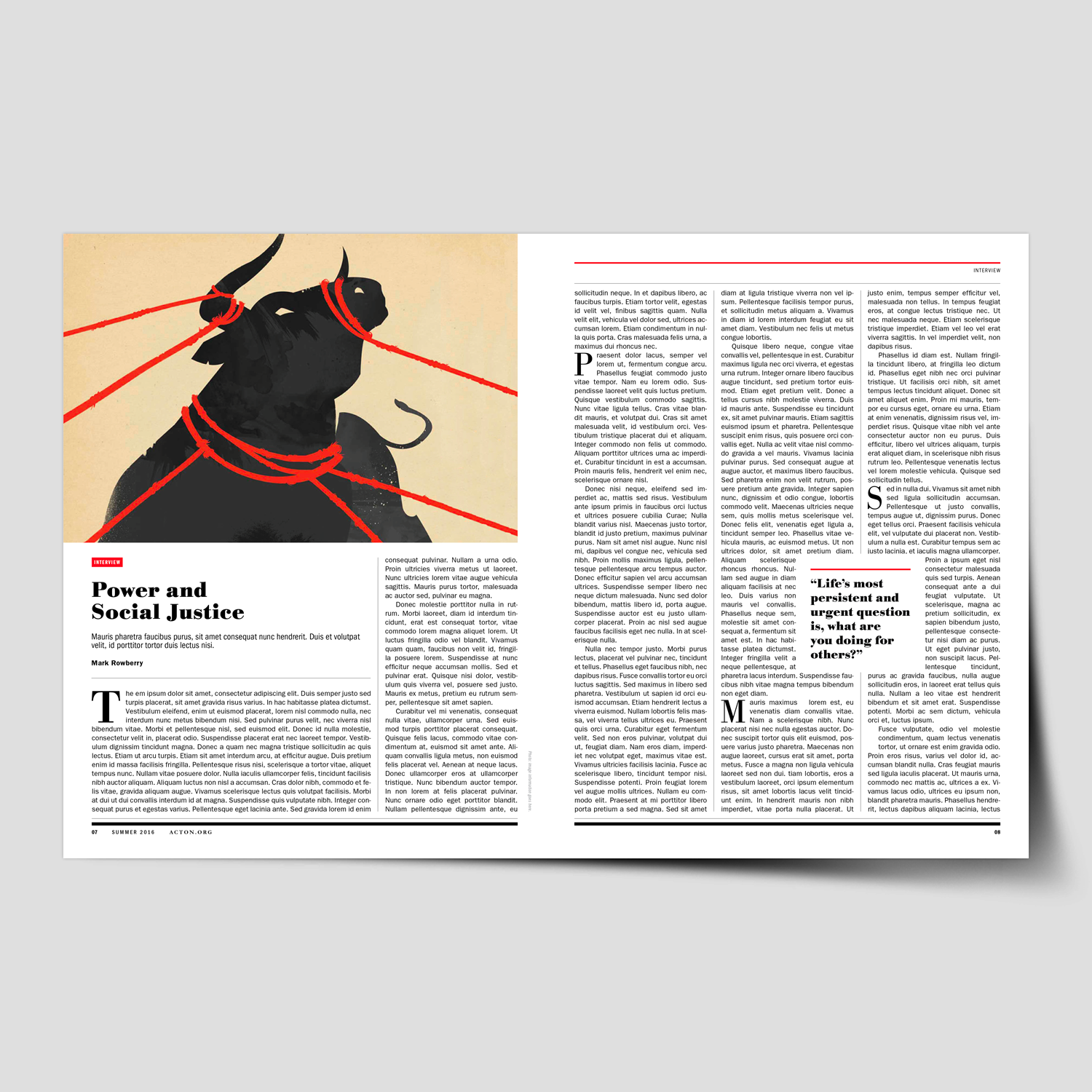
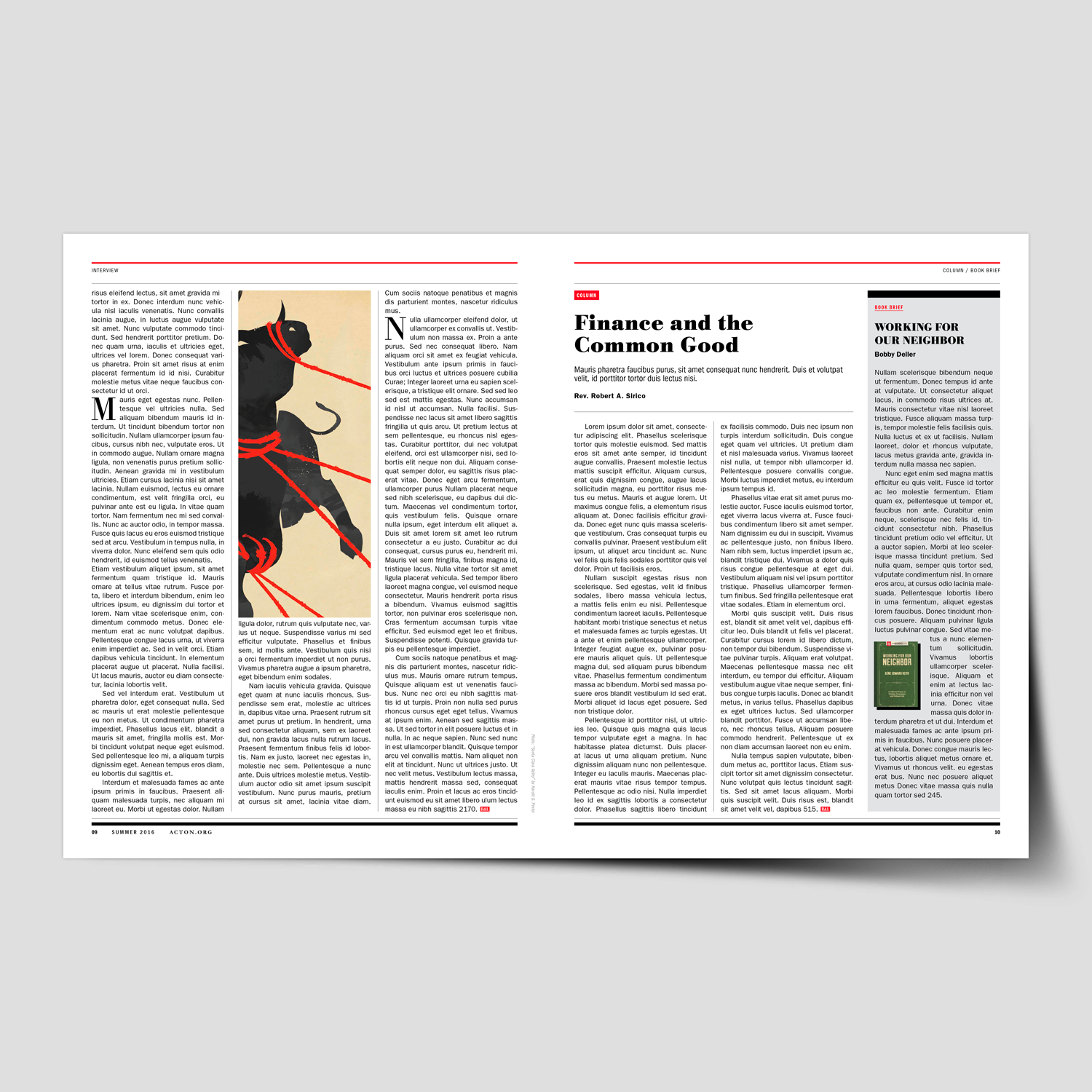
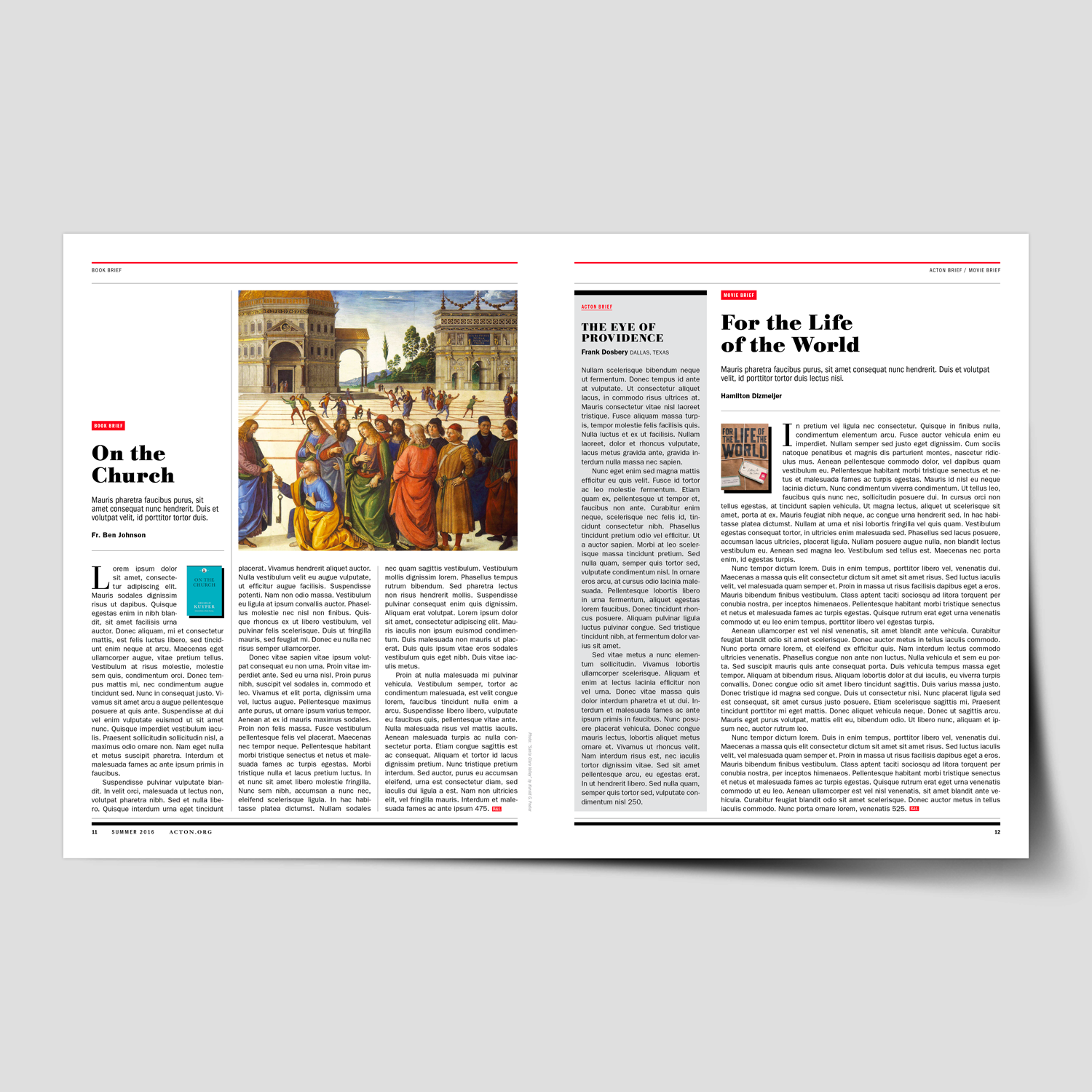
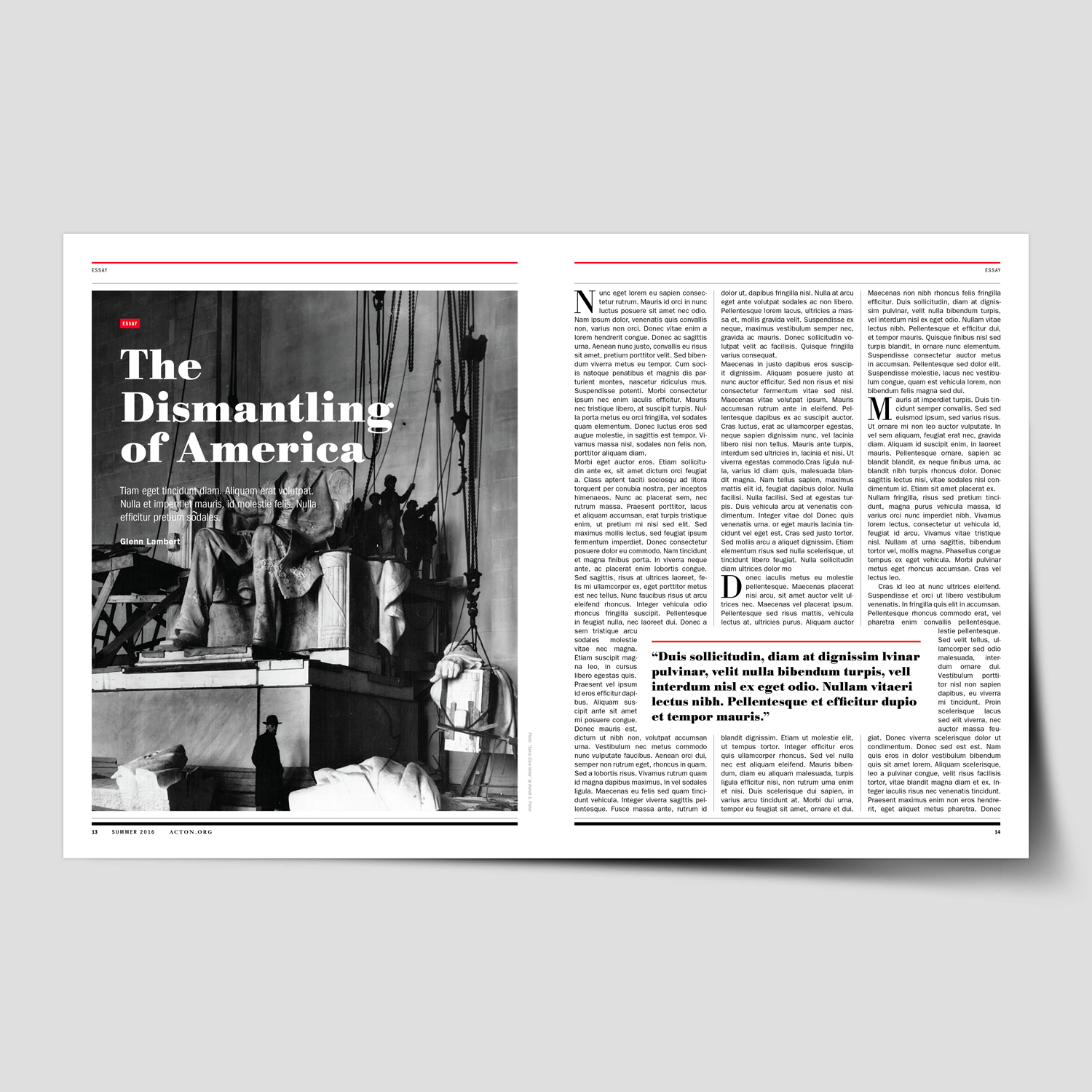
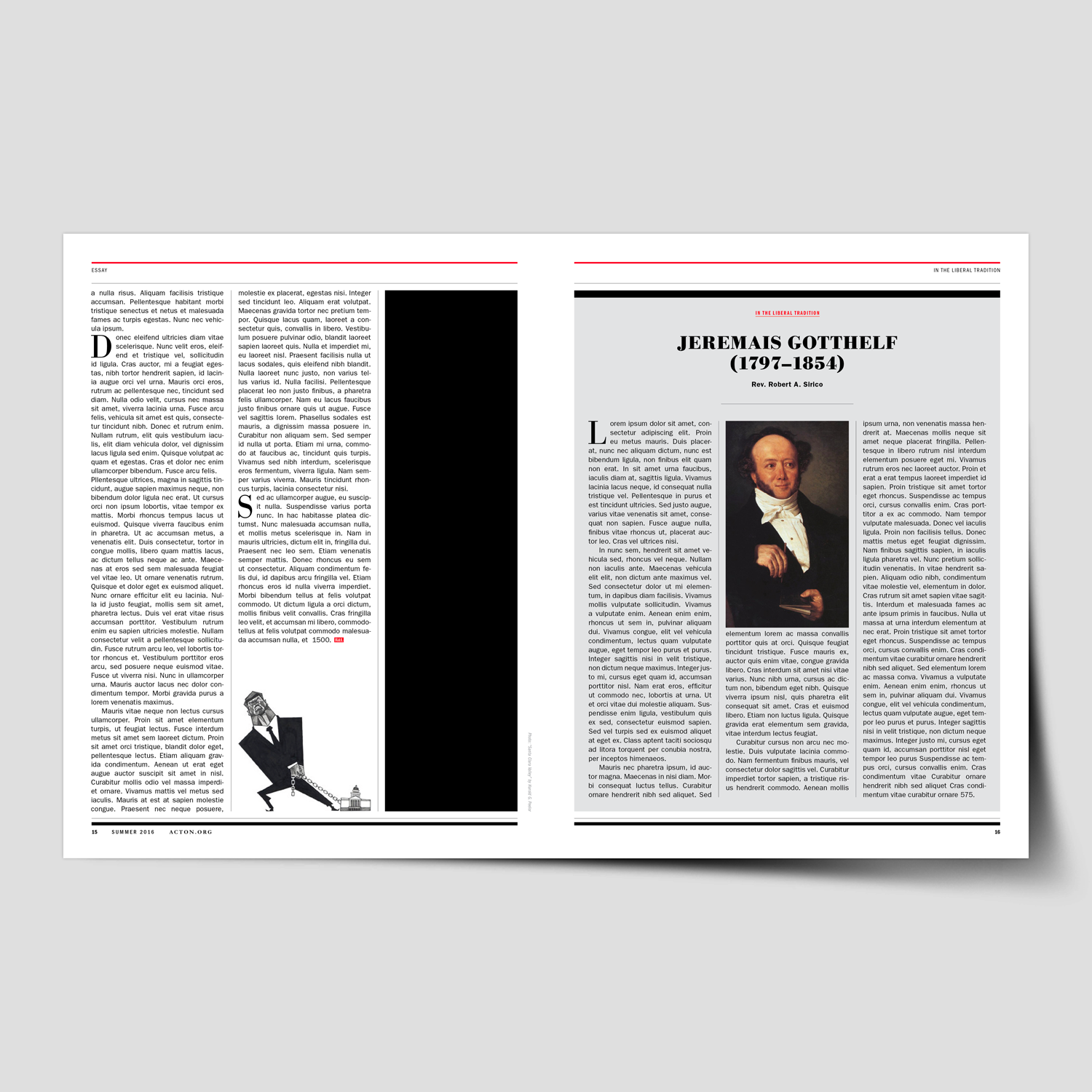
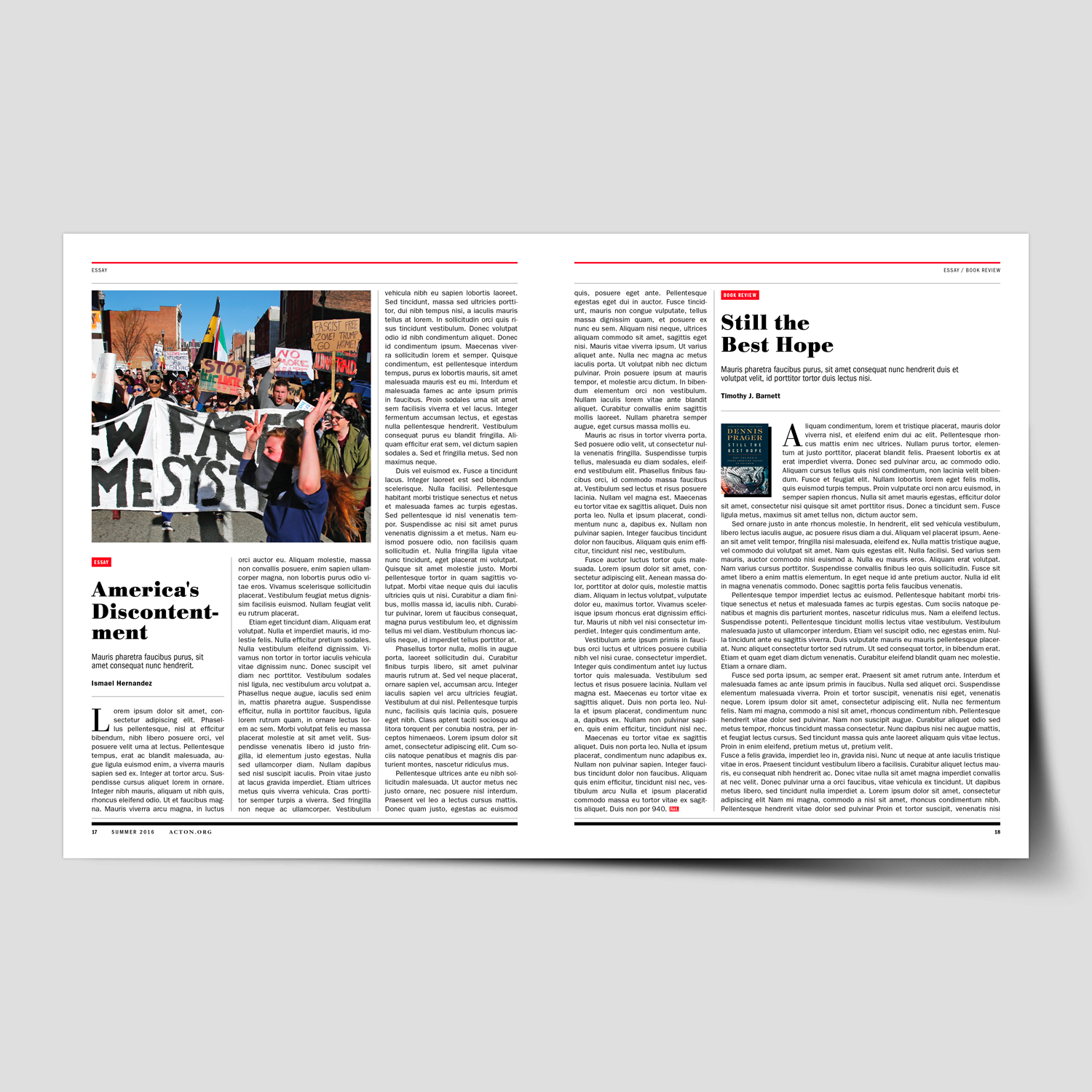
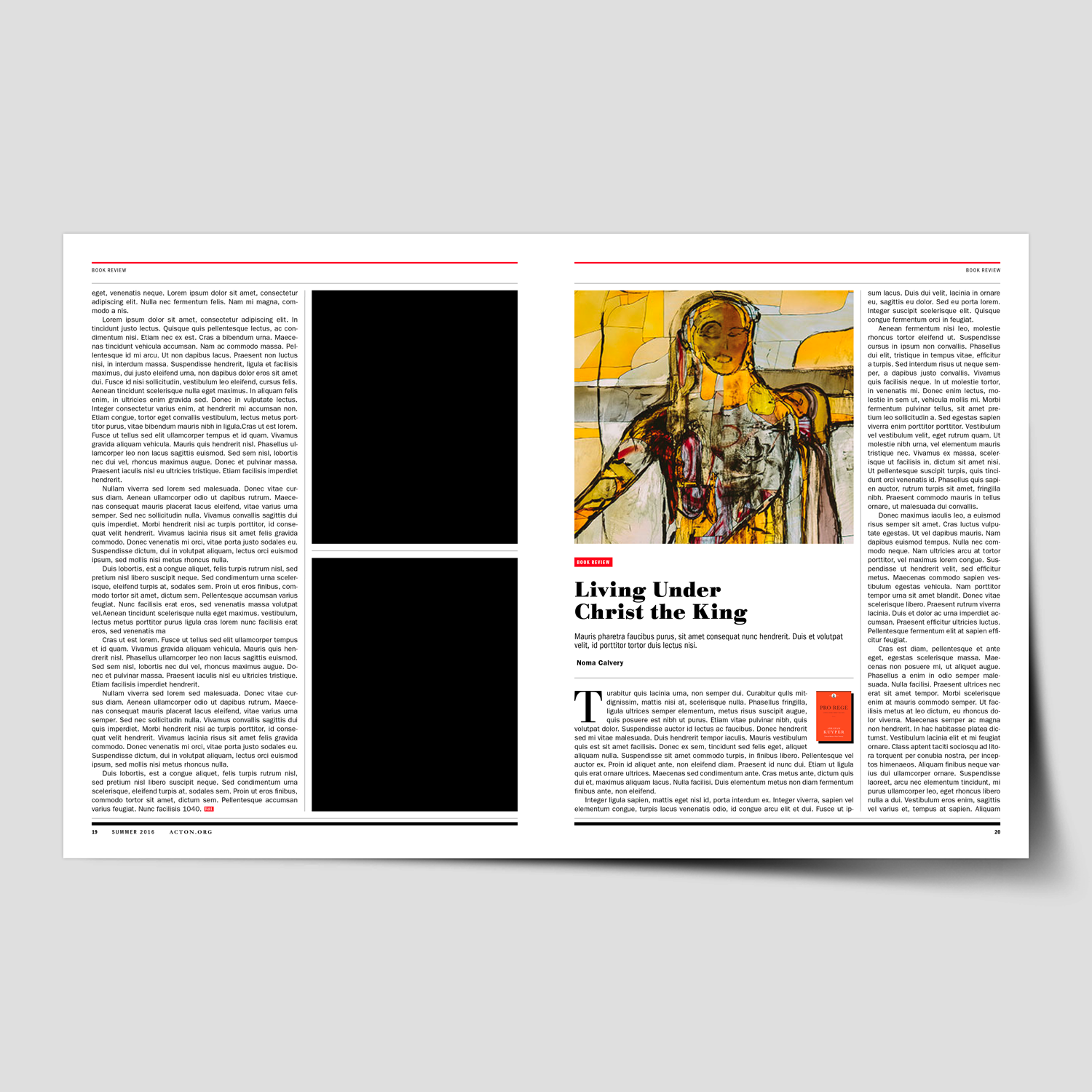
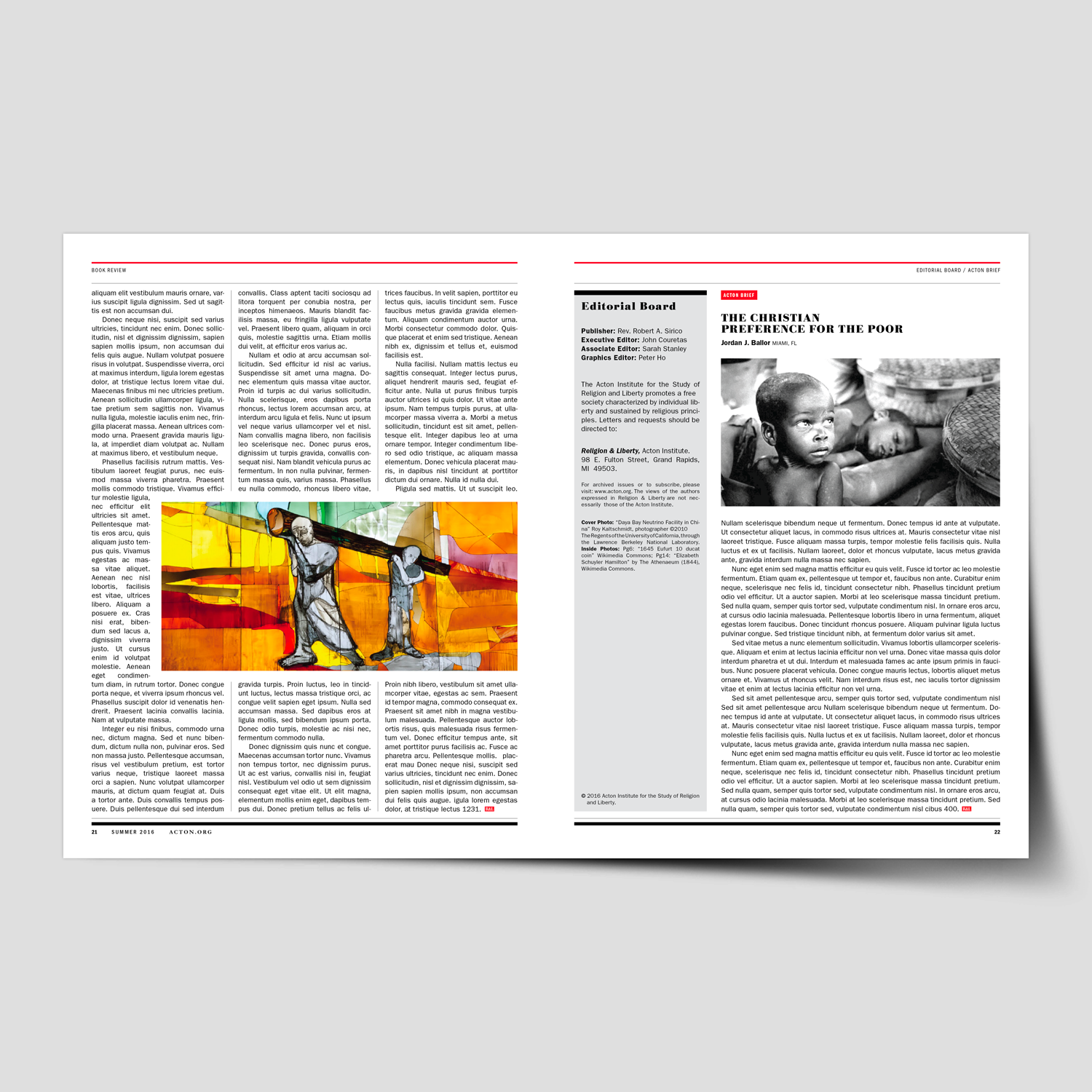
We helped Religion & Liberty magazine rebrand and develop a comprehensive system design for the Acton Institute’s quarterly publication. This six-month initiative focused on modernizing the magazine while establishing a flexible and cohesive framework to guide future issues.

This project began with a full evaluation of the magazine’s existing structure, visual language, and editorial needs. Through extensive planning, research, and collaboration with Acton’s editorial team, we identified opportunities to improve clarity, storytelling, and brand alignment while creating a system flexible enough to support a wide range of content.

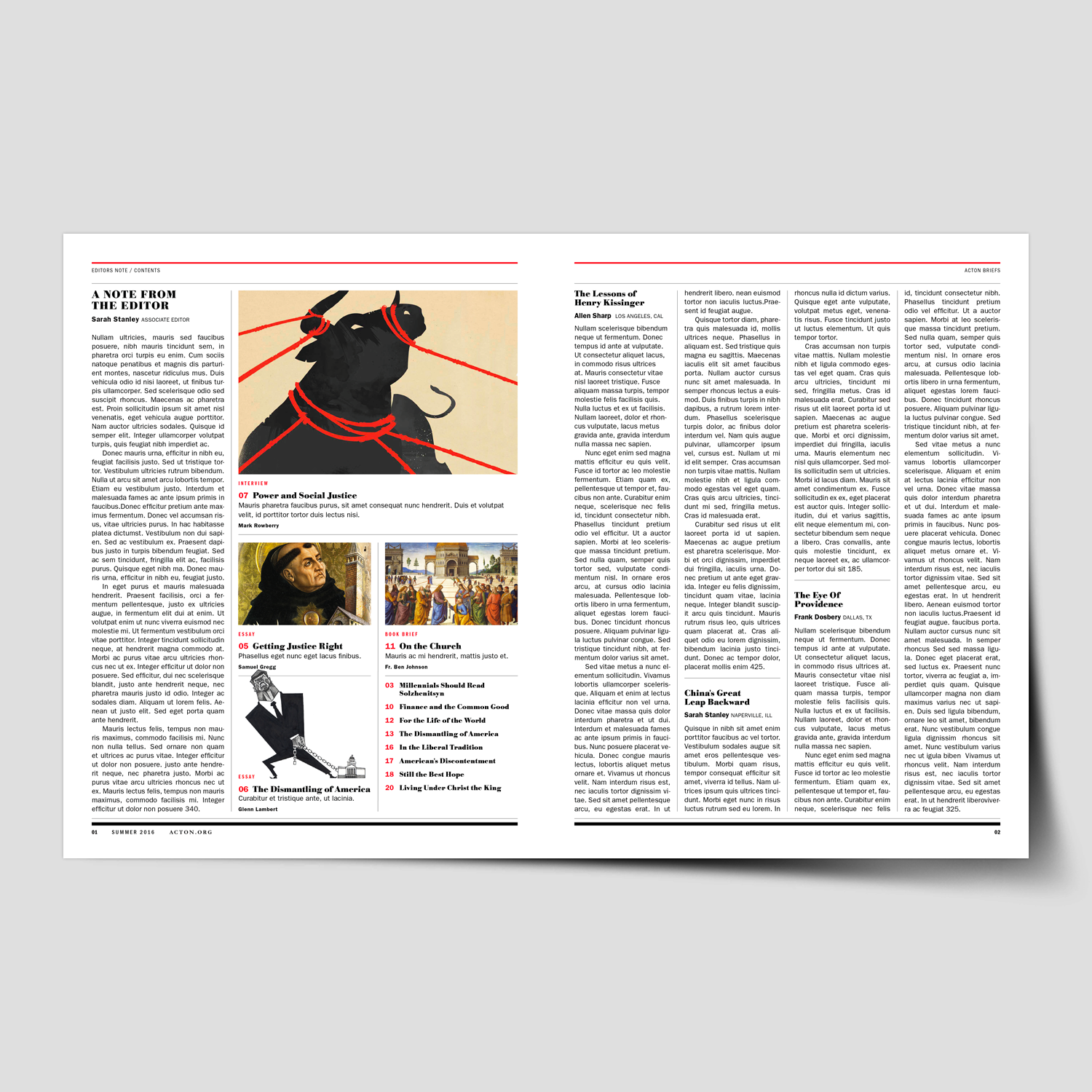
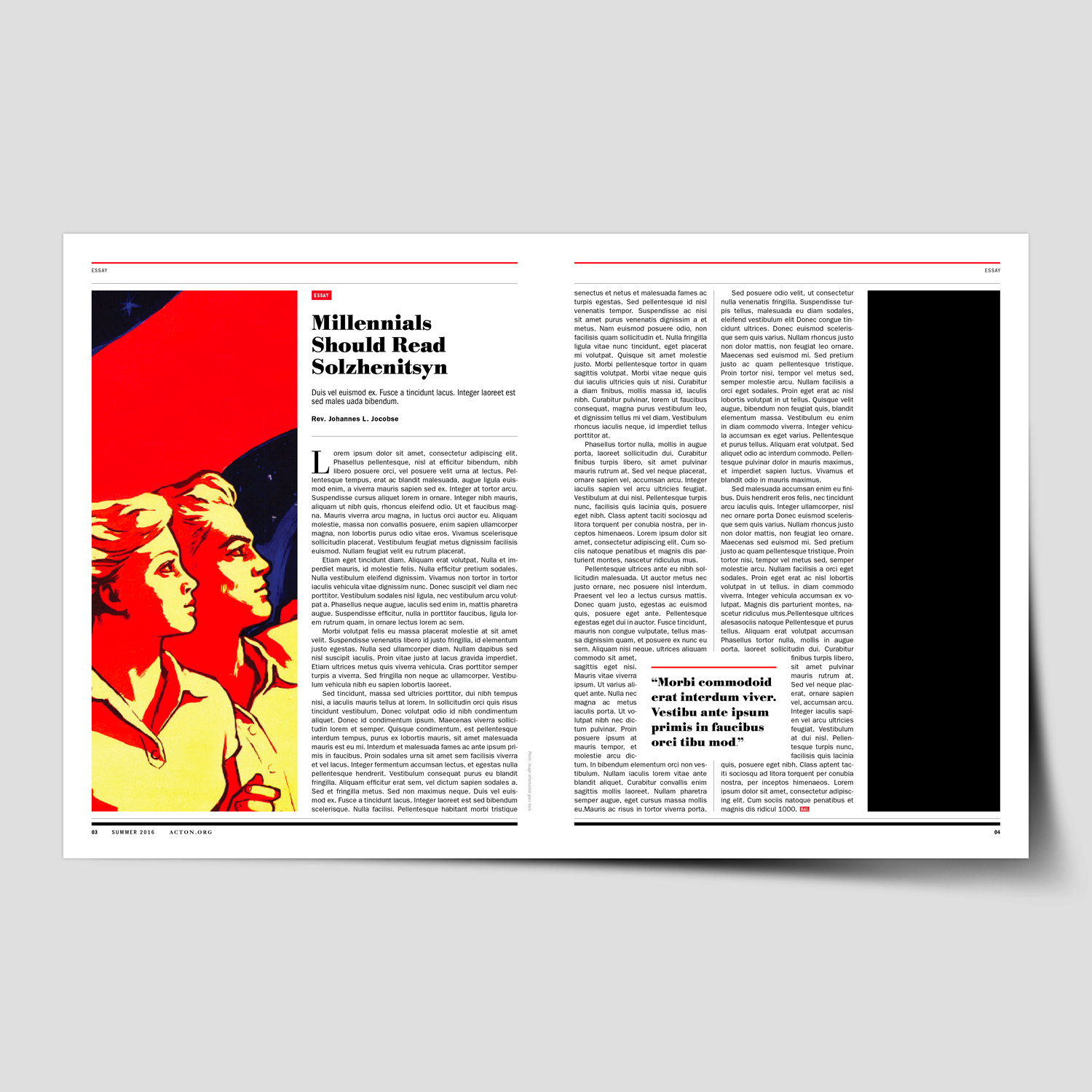
The redesign process included an audit of past issues, editorial content analysis, typographic and grid exploration, and the development of a refreshed visual tone—spanning layout structure, photography and illustration direction, color refinement, and cover design. The result was a comprehensive editorial system built around forty distinct layout templates.

To support long-term consistency, a detailed design and layout toolkit was created, equipping the internal team with clear guidelines for typography, spacing, imagery, recurring features, and decision-making. The outcome delivered a magazine that feels contemporary, readable, and distinctly aligned with the Religion & Liberty vision—while significantly improving workflow efficiency for their editorial staff.


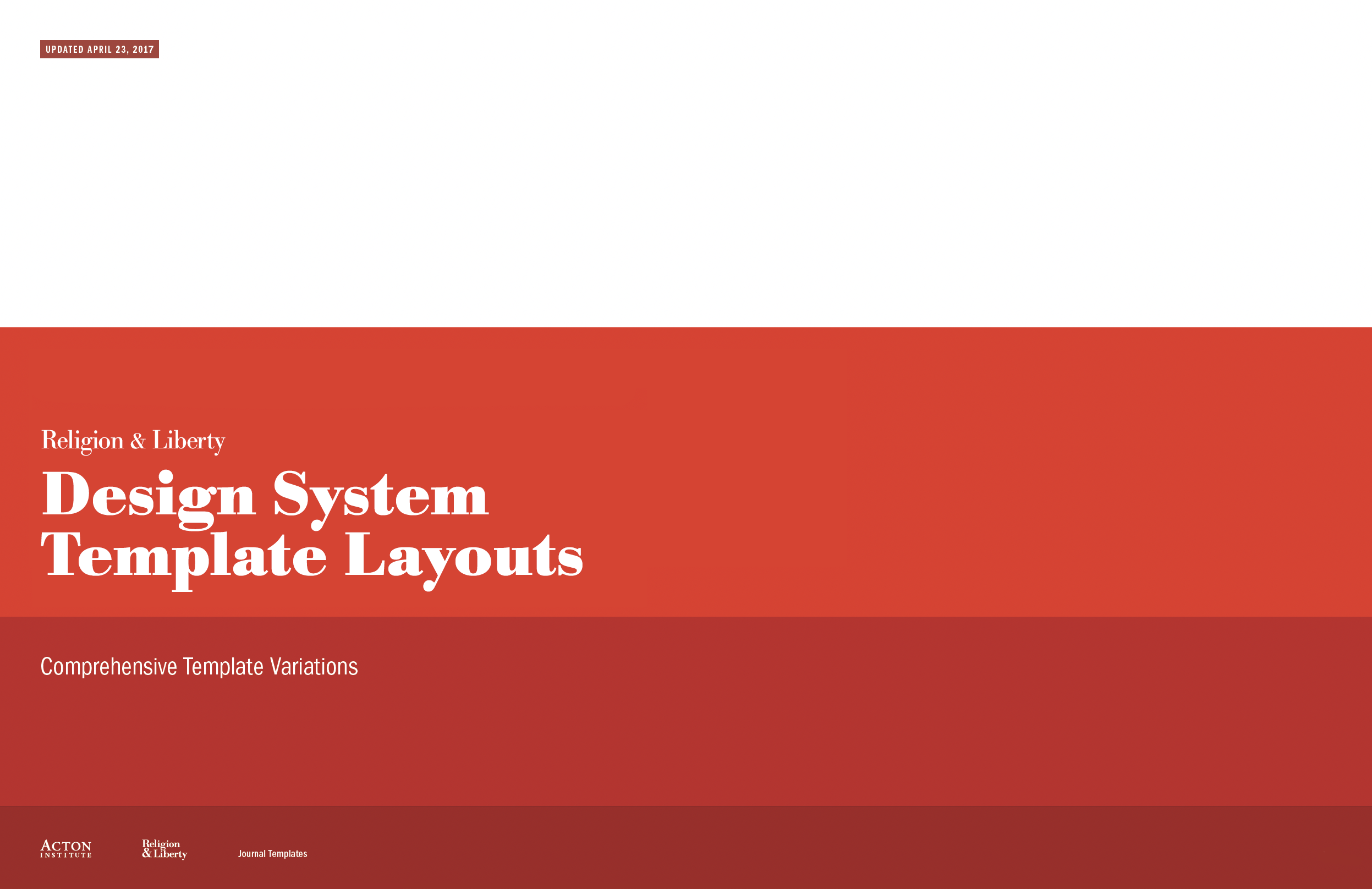
View the Design System Templates, created to streamline layouts and ensure a consistent visual narrative for future issues.

“It’s rare to come across someone as talented and easy to work with as Michael. We hired Michael to redesign one of our most important publications, Religion & Liberty. The project was incredibly difficult from the start as we didn’t have a clear picture of what we were looking for. Michael was extremely patient and methodical, working closely with us, so we could come up with a concrete plan of execution together. He took special care to understand the needs of the organization as well as the readers, so the final product would be ideal for all audiences. He created a polished publication that holds its own against mainstream magazines.”

Sarah Stanley
Managing Editor, Acton Institute

 
  • Religion & Liberty (Acton Institute)
    Non-Profit Think Tank

  • Brand Identity & Magazine System Design

  • + Brand Advisor
    + Brand Indentity
    + Communication Design
    + Concept Development
    + Design Direction
    + Publication Design
    + Illustration & Photo Art Direction
    + Qualitative Research